
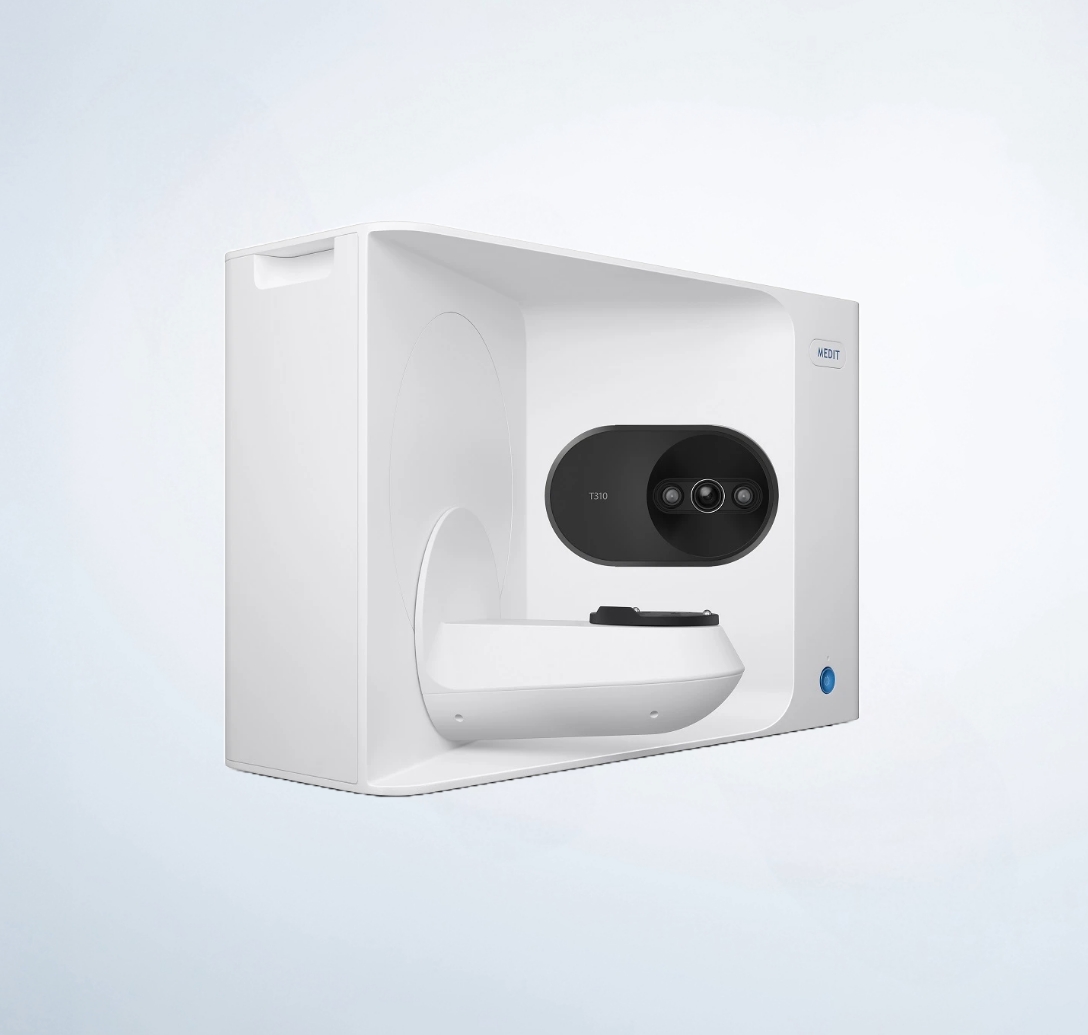
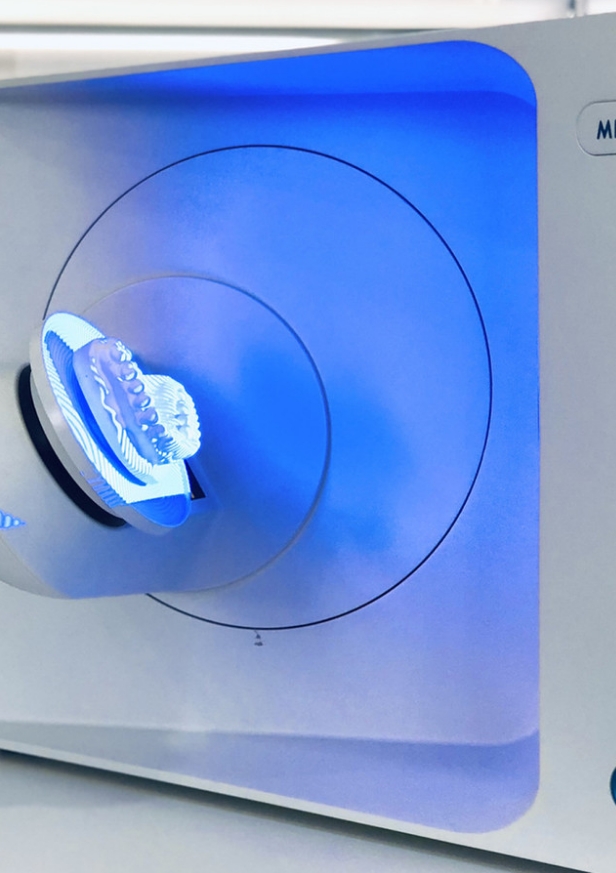
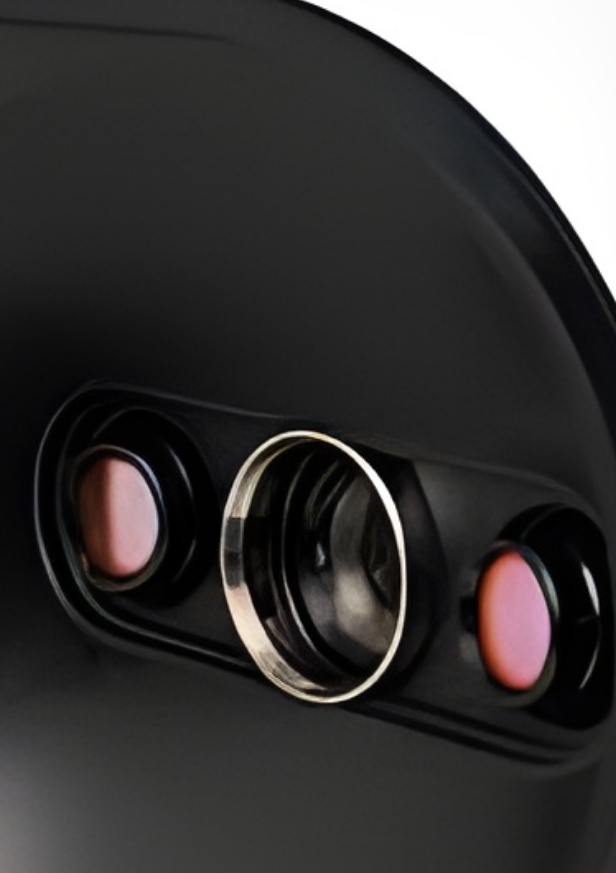
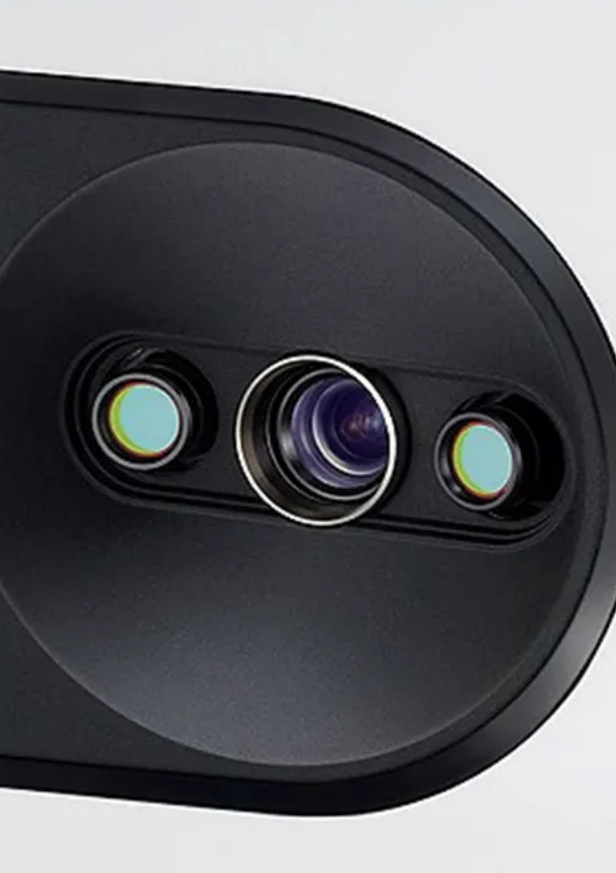
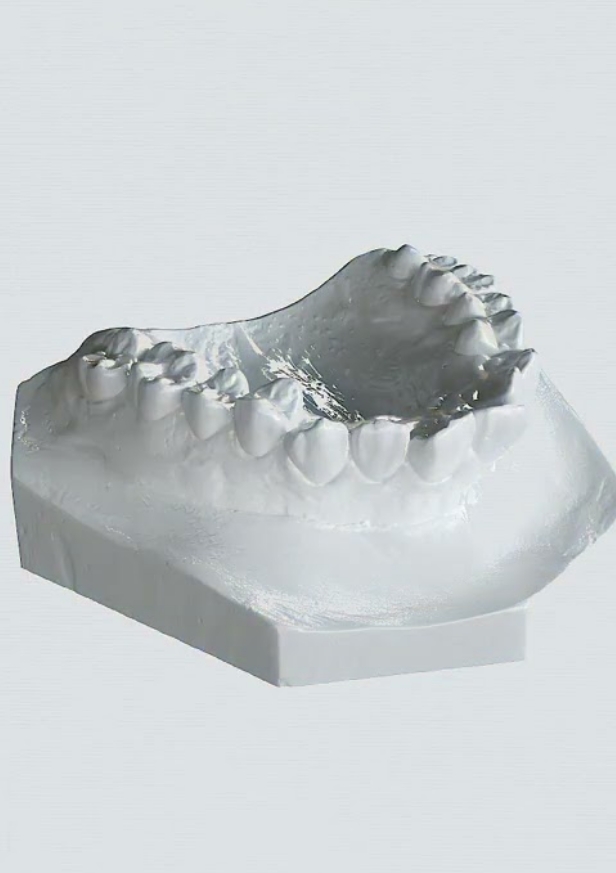
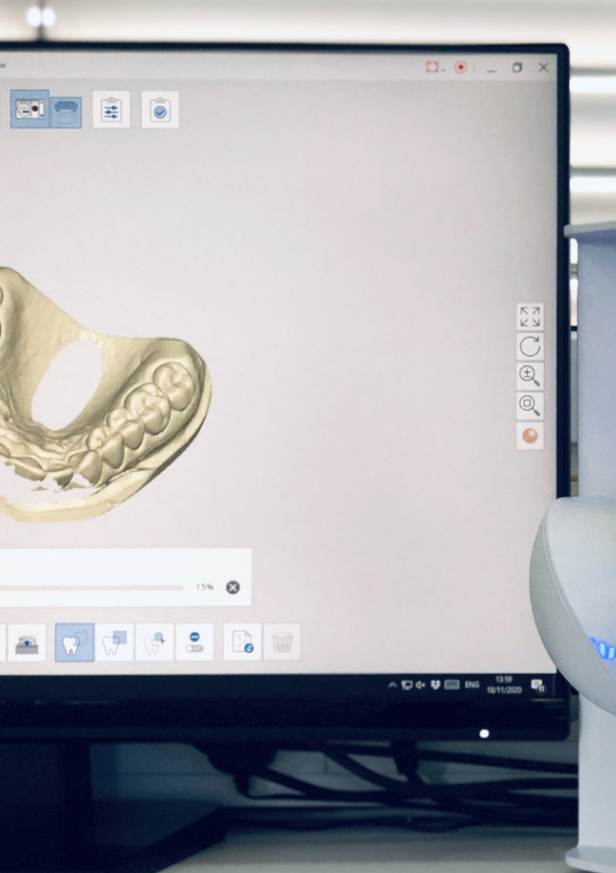
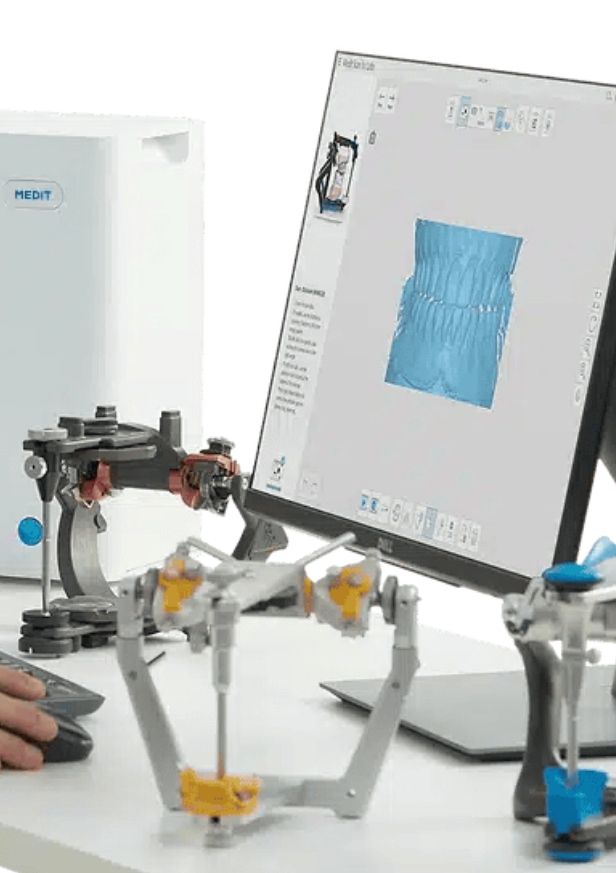
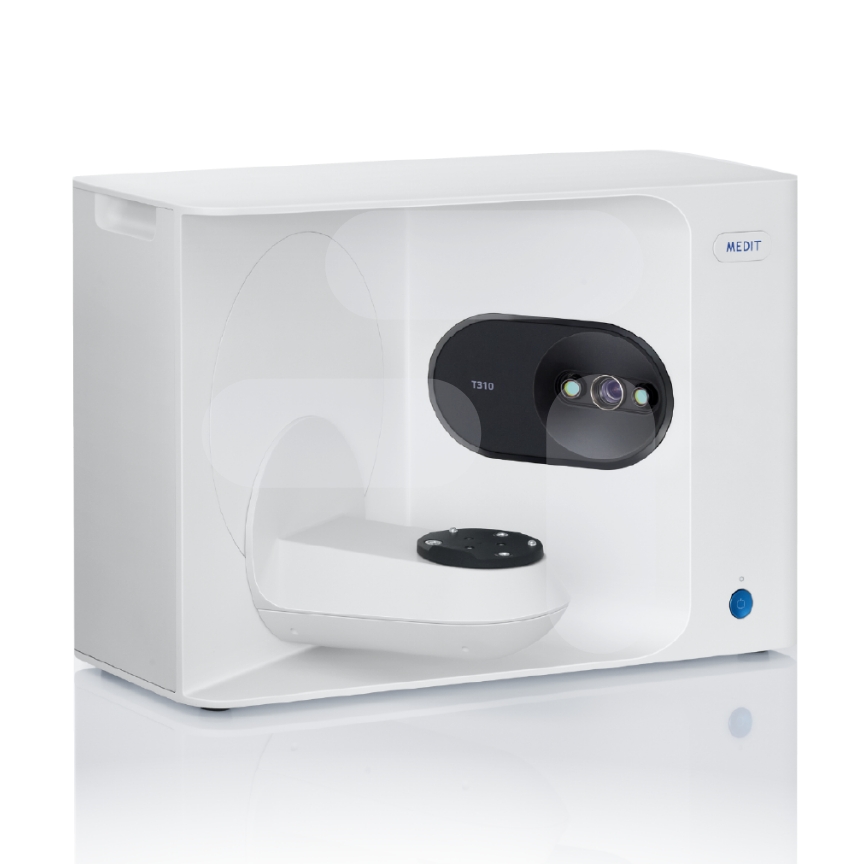
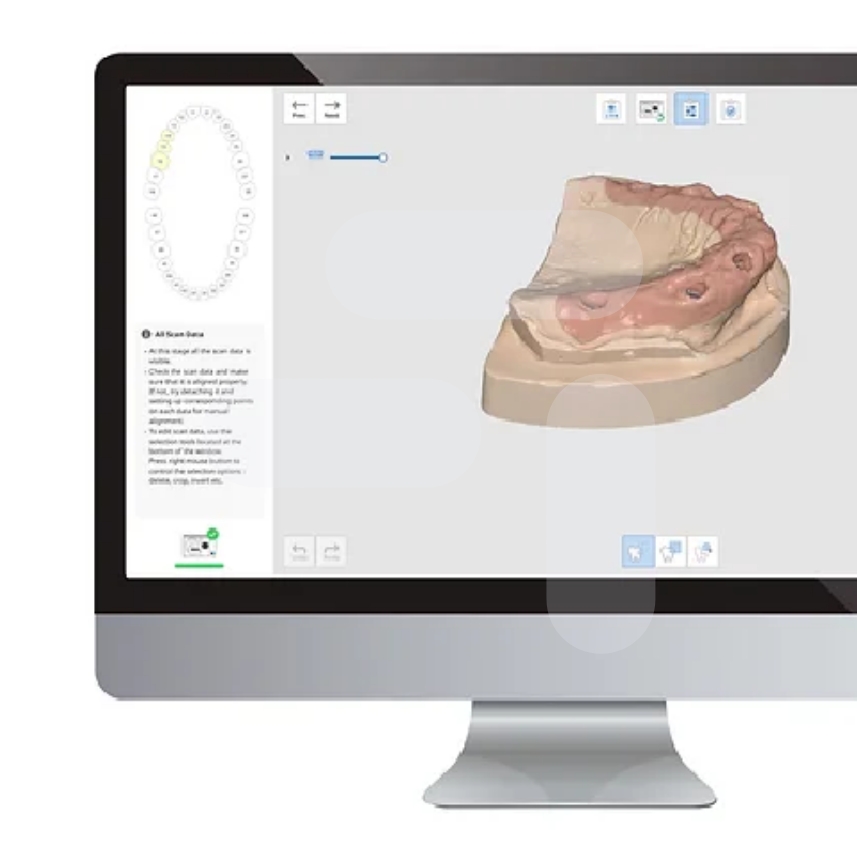
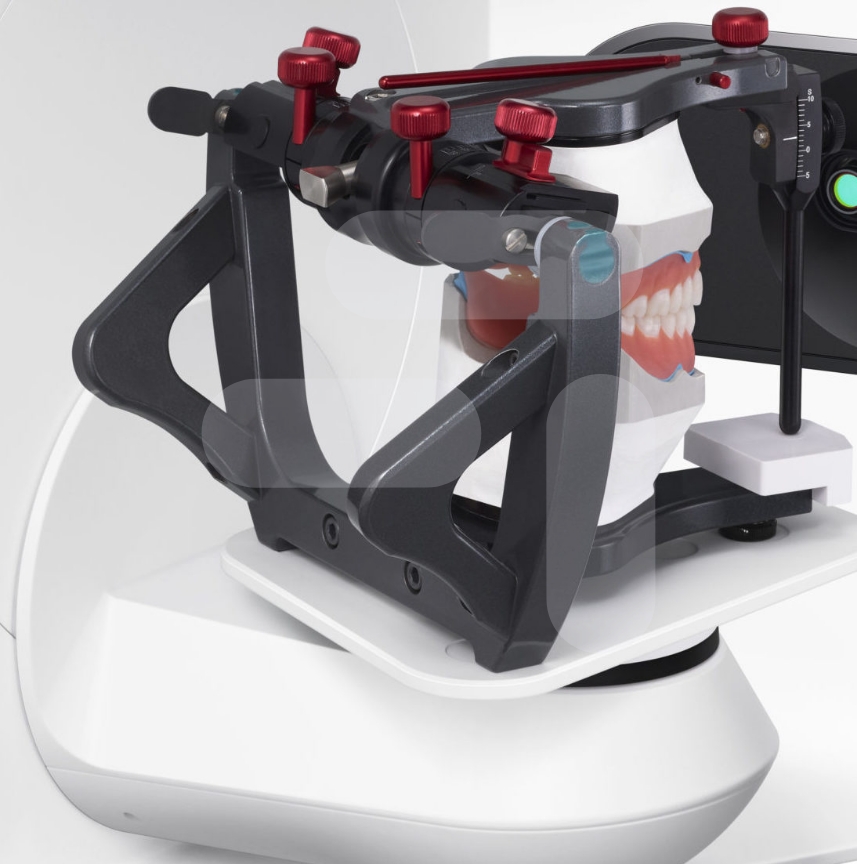
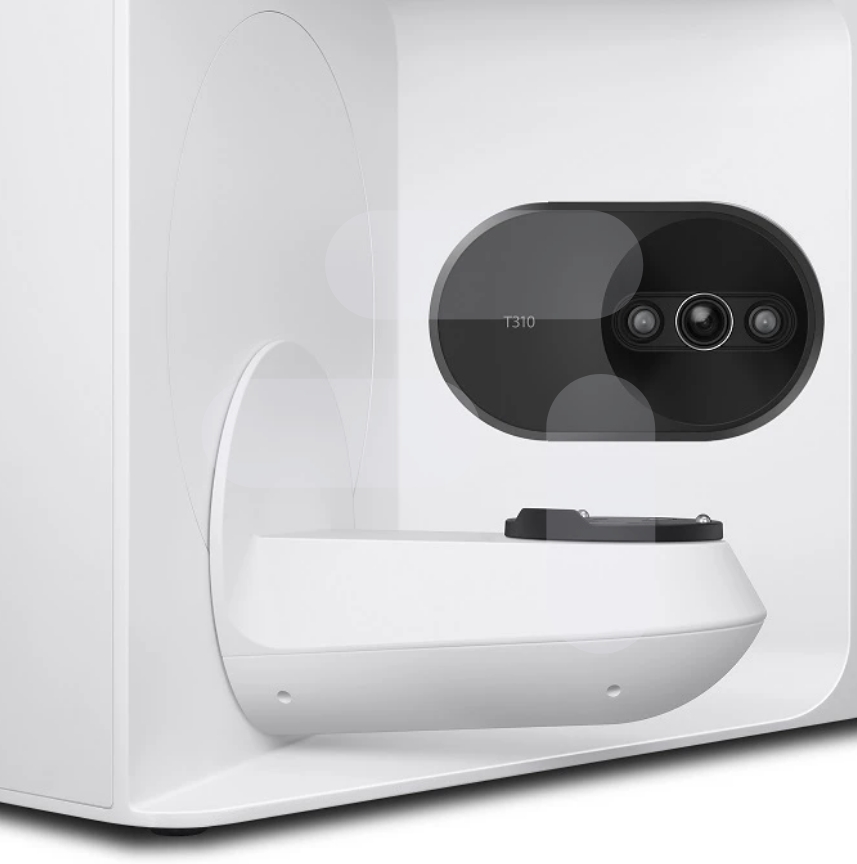
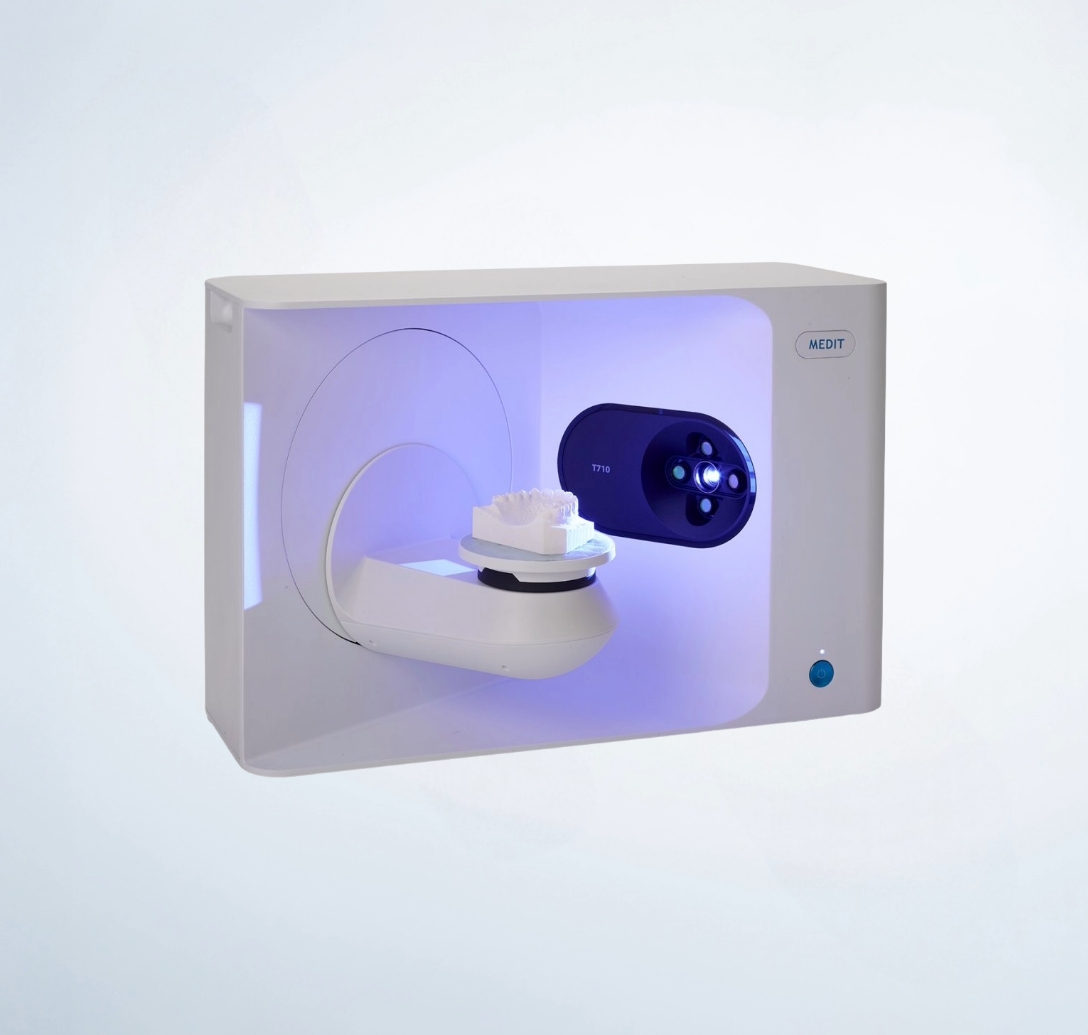
Le MEDIT T310 est un scanner de table conçu pour les laboratoires dentaires à la recherche de précision et d'efficacité. Il offre des performances élevées pour tout type de restauration dentaire.
L'indispensable des laboratoires dentaires modernes cherchant à optimiser leur flux de travail numérique.

Capturez des détails extrêmement fins et assurez-vous des modèles 3D précis.

Avec le MEDIT T310, numérisez un arc complet en moins de 18 secondes.

Optimisez la productivité de votre laboratoire avec un scanner performant.






Lewis Carroll’s original text was always steeped in psychedelic logic, and the 1976 film leans into that. Because the film is a comedy first and an adult film second, the sexual encounters are often played for laughs.
: Presides over a surreal court of sexual trial and error.
What separates Alice in Wonderland (1976) from the vast majority of adult films of its era is its exceptionally high production design. Shot on 35mm film, the movie featured lavish costumes, intricate hand-built sets, and professional choreography that rivaled mainstream Hollywood B-movies of the mid-70s. Alice In Wonderland An X Rated Musical Fantasy 1976
Moreover, it’s arguably the most faithful adaptation of Carroll’s tone—if not his text. Carroll’s original books are steeped in Victorian anxieties about growing up, bodily change, and the frightening illogic of adult rules. This film simply makes those subtexts text. Growing up is about sex. The rules are absurd. The Queen of Hearts (played by a towering, whip-cracking Nancy Deering) doesn’t just shout “Off with her head!”—she runs a sadomasochistic dungeon. In its own twisted way, the film asks: What if Wonderland was just a pubescent nightmare about desire?
Osco greenlit the project, enlisting comedian and writer Bucky Searles to pen the screenplay and original songs, and director Bud Townsend, whose background was in low-budget horror films like Terror House and Nightmare in Wax , to bring the absurd vision to life. The film was shot on a modest budget, with sources ranging from $350,000 to $500,000. Locations included lush outdoor settings like Taconic Park State Park in New York and Stanley Park in British Columbia, which gave the film a charming, almost fairytale-like aesthetic on a budget. Lewis Carroll’s original text was always steeped in
Unlike many adult films that focus purely on voyeuristic gratification, Alice centers its narrative on the protagonist’s internal journey. The film is framed as a coming-of-age story (or rather, a coming-out story) where Alice sheds her societal repression. By the time she wakes up, she is ready to engage with her partner with a newfound sense of agency and joy.
stands as a fascinating artifact from a fleeting era in American cinema. Released during the height of the "porno chic" movement—a unique 1970s cultural phenomenon where adult films were reviewed by mainstream critics and screened in upscale theaters—this musical comedy attempted to merge the whimsy of Lewis Carroll with the explicit boundaries of adult entertainment. What separates Alice in Wonderland (1976) from the
The film was filled with character actors who treated the absurd material with a knowing wink. Larry Gelman, a respected television actor, portrayed the lecherous White Rabbit, while the rest of the cast treated the fairy-tale characters with a sense of comic glee.
: Hosts an anarchic, highly stylized, and erotically charged tea party.
: A groovy, smooth-talking character who introduces Alice to a more relaxed, sensory world. Production and Musical Elements
Shot in crisp 35mm by future Oscar-nominated cinematographer Andrew Davis ( The Fugitive ), the film features vibrant colors and professional lighting that rivaled mainstream Hollywood musicals.


.svg)




.svg)

