
We Uses Cookies
This website uses cookies to enhance
your browsing experience.
We Uses Cookies
This website uses cookies to enhance
your browsing experience.
At first glance, it looks like a keyboard smash—a frantic, desperate scramble of letters born from a panic attack. But to those who have stared into the void of hyper-online subcultures, it is something far more specific. It is a confession. A lore drop. A spoiler for a tragedy you didn't know you were starring in.
The phrase highlights a fascinating tension within modern identity politics and internet aesthetics. It captures the exact moment when traditional symbols collide head-on with alternative online art movements. The Original Intent (The Sacrifice) The Digital Reality (The "Hijabolic" Twist) Hidden, private, reserved for the sacred. Broadcasted, indexed, and transformed into an aesthetic. Purpose Self-restraint and spiritual devotion. High-impact visual storytelling and subcultural expression. Audience The self, the community, or the divine.
Platforms like TikTok, X (formerly Twitter), and Instagram frequently see users mash long sentences together into single hashtags to track hyper-specific trends, fan-fiction chapters, or inside jokes within a community.
Within some conservative communities, bodybuilding is seen as "masculine." The phrase "it was supposed to be a sacrifice" serves as a defiant response to critics who believe a woman’s body should not be muscular. Why It’s Trending hijabolicitwassupposedtobeasacrifice
, this is a very unusual request. The user wants a long article for a specific keyword: "hijabolicitwassupposedtobeasacrifice". That's not a standard term or phrase I recognize. It looks like a mangled or stylized version of a phrase. Let me break it down. "Hijabolic" might be a misspelling or deliberate alteration of "diabolic" or "hyperbolic"? But the "Hijab" part stands out. "Hijab" is the Islamic headscarf. Then "olic" - maybe like "alcoholic"? Or "diabolic"? The rest is clearer: "it was supposed to be a sacrifice". So the whole thing reads like a hashtag or a username: Hijab + diabolic + it was supposed to be a sacrifice. Or perhaps it's a typo for "hyperbolic it was supposed to be a sacrifice".
In the context of the "hijab" (the sacred covering), the "diabolic" (the demonic) represents the violation of safe spaces. It suggests that even the sanctuary of faith, family, or fandom can be hollowed out from within.
(Please give more details if you want a specific text) At first glance, it looks like a keyboard
The rise of modest fashion influencers, or "hijabistas," has revolutionized the industry. Modesty is now a multi-billion dollar market. Yet, this commercialization has created a paradox, giving birth to the trend:
At first glance, it is a schizophrenic marriage of religious attire, malevolence, and ritualistic expectation. But what does it actually mean? And why does it resonate enough to be archived as a searchable term?
The protagonist returns or looks back at the society that abandoned them, no longer a victim, but a wild card capable of rewriting the rules of their world. A lore drop
While there is no single established "write-up" for this specific phrase, it blends two distinct themes:
The phrase hints at the internal dialogue—the moments of doubt, the temptation to abandon the path, and the quiet moments of re-commitment.
The conflict between personal identity and external expectations. A Space for Vulnerability and Shared Experience
At first glance, it looks like a keyboard smash—a frantic, desperate scramble of letters born from a panic attack. But to those who have stared into the void of hyper-online subcultures, it is something far more specific. It is a confession. A lore drop. A spoiler for a tragedy you didn't know you were starring in.
The phrase highlights a fascinating tension within modern identity politics and internet aesthetics. It captures the exact moment when traditional symbols collide head-on with alternative online art movements. The Original Intent (The Sacrifice) The Digital Reality (The "Hijabolic" Twist) Hidden, private, reserved for the sacred. Broadcasted, indexed, and transformed into an aesthetic. Purpose Self-restraint and spiritual devotion. High-impact visual storytelling and subcultural expression. Audience The self, the community, or the divine.
Platforms like TikTok, X (formerly Twitter), and Instagram frequently see users mash long sentences together into single hashtags to track hyper-specific trends, fan-fiction chapters, or inside jokes within a community.
Within some conservative communities, bodybuilding is seen as "masculine." The phrase "it was supposed to be a sacrifice" serves as a defiant response to critics who believe a woman’s body should not be muscular. Why It’s Trending
, this is a very unusual request. The user wants a long article for a specific keyword: "hijabolicitwassupposedtobeasacrifice". That's not a standard term or phrase I recognize. It looks like a mangled or stylized version of a phrase. Let me break it down. "Hijabolic" might be a misspelling or deliberate alteration of "diabolic" or "hyperbolic"? But the "Hijab" part stands out. "Hijab" is the Islamic headscarf. Then "olic" - maybe like "alcoholic"? Or "diabolic"? The rest is clearer: "it was supposed to be a sacrifice". So the whole thing reads like a hashtag or a username: Hijab + diabolic + it was supposed to be a sacrifice. Or perhaps it's a typo for "hyperbolic it was supposed to be a sacrifice".
In the context of the "hijab" (the sacred covering), the "diabolic" (the demonic) represents the violation of safe spaces. It suggests that even the sanctuary of faith, family, or fandom can be hollowed out from within.
(Please give more details if you want a specific text)
The rise of modest fashion influencers, or "hijabistas," has revolutionized the industry. Modesty is now a multi-billion dollar market. Yet, this commercialization has created a paradox, giving birth to the trend:
At first glance, it is a schizophrenic marriage of religious attire, malevolence, and ritualistic expectation. But what does it actually mean? And why does it resonate enough to be archived as a searchable term?
The protagonist returns or looks back at the society that abandoned them, no longer a victim, but a wild card capable of rewriting the rules of their world.
While there is no single established "write-up" for this specific phrase, it blends two distinct themes:
The phrase hints at the internal dialogue—the moments of doubt, the temptation to abandon the path, and the quiet moments of re-commitment.
The conflict between personal identity and external expectations. A Space for Vulnerability and Shared Experience
About JVG Electronics
Thankyou for contacting us.
We deals in all types of video games, consoles and its accessories.
We provide genuine produts.
You can say a complete shop of gaming available at one place.
JVG ELECTRONICS Since 2005
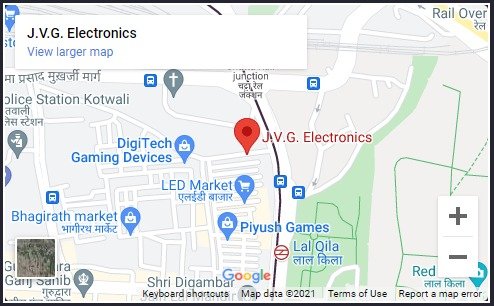
JVG ELECTRONICS Stall no.-32A More sarai road, Old lajpat rai market, Chandni chowk, Near Lal quila metro station gate no.-2 Delhi - 110006
,
,
,
Pay Using


Download Our App
Copyright 2026, Vivid Yard
