
0%
Filled with laugh-out-loud hilarious text and cartoons, the Diary of a Wimpy Kid series follows Greg Heffley as he records the daily trials and triumphs of friendship, family life and middle school where undersized weaklings have to share the hallways with kids who are taller, meaner and already shaving! On top of all that, Greg must be careful to avoid the dreaded CHEESE TOUCH!
The first book in the series was published in 2007 and became instantly popular for its relatable humor. Today, more than 300 million copies have been sold around the world!
To keep the story engaging and avoid turning characters into one-dimensional villains, ground their actions in recognizable human flaws:
In romantic narratives, a son's relationship with his mother often dictates his ability to form healthy attachments with a partner:
In traditional romance, the male lead is often the aggressor. In these inverted storylines, the older woman often plays the role of the gentle seducer . She is not a threat in the way a strange man is. She is nurturing, known, and trusted. This paradox creates a unique psychological horror-romance: the person meant to protect you is the one eroding your autonomy. For the young male character, losing his virginity or emotional innocence to an older maternal figure feels both like a betrayal and the ultimate safe embrace.
The mother relies too heavily on her son for emotional support, treating him as a proxy partner (often referred to in psychology as emotional parentification or the Oedipal trap).
These storylines resonate because they tap into a universal tension: individuation
A mainstream example that uses time travel to playfully (and awkwardly) explore a son being pursued romantically by his own mother. Writing Tips for Complex Family Dynamics
Romantic subplots should enhance the main story by revealing new layers of the protagonist's personality.
By the third week, he was staying for dinner. She, 44. Divorced. Lonely in ways she hadn’t named.
External pressure is a powerful catalyst for altering relationship boundaries. When characters are isolated from society—whether by physical circumstances, shared grief, or a mutual secret—they turn inward. In this isolation, the traditional societal labels of "mother" (or stepmother/guardian) and "son" begin to blur. The shared trauma forces an emotional intimacy that outgrows its original framework, slipping gradually into a romantic codependency. 3. The Catalyst of Realization
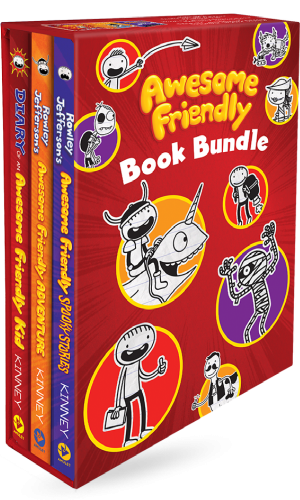
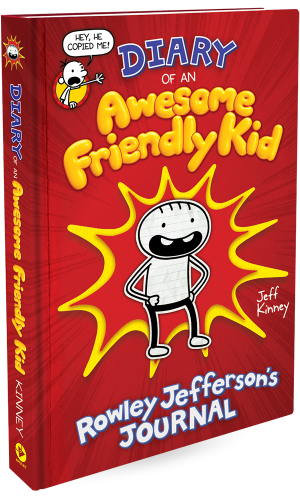
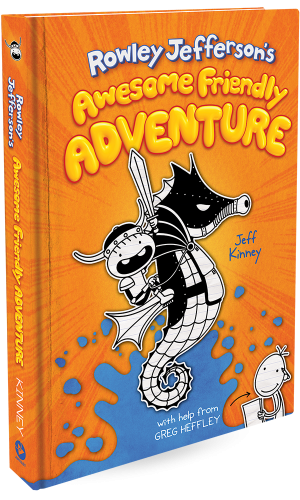
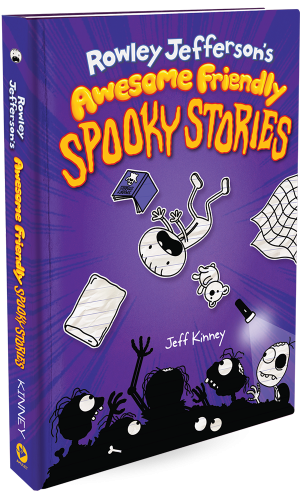
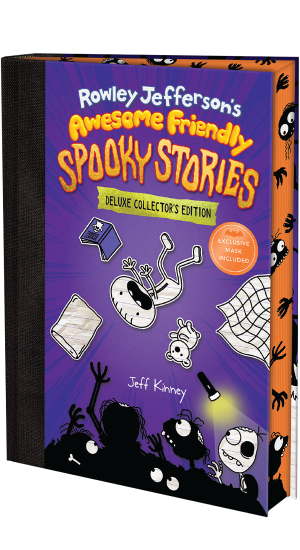
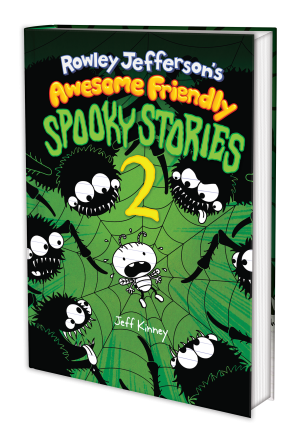
Get ready to see the Wimpy Kid world in a whole new way! Written and illustrated from the hilarious imagination of Greg Heffley’s best friend, Rowley Jefferson, the Awesome Friendly Kid series is filled with new adventures and vibrant stories that will have readers in stitches!
Click or scroll
through the books
mom boy sex sliping sex tube com italia grannies sex com mpg
To keep the story engaging and avoid turning characters into one-dimensional villains, ground their actions in recognizable human flaws:
In romantic narratives, a son's relationship with his mother often dictates his ability to form healthy attachments with a partner:
In traditional romance, the male lead is often the aggressor. In these inverted storylines, the older woman often plays the role of the gentle seducer . She is not a threat in the way a strange man is. She is nurturing, known, and trusted. This paradox creates a unique psychological horror-romance: the person meant to protect you is the one eroding your autonomy. For the young male character, losing his virginity or emotional innocence to an older maternal figure feels both like a betrayal and the ultimate safe embrace.
The mother relies too heavily on her son for emotional support, treating him as a proxy partner (often referred to in psychology as emotional parentification or the Oedipal trap).
These storylines resonate because they tap into a universal tension: individuation
A mainstream example that uses time travel to playfully (and awkwardly) explore a son being pursued romantically by his own mother. Writing Tips for Complex Family Dynamics
Romantic subplots should enhance the main story by revealing new layers of the protagonist's personality.
By the third week, he was staying for dinner. She, 44. Divorced. Lonely in ways she hadn’t named.
External pressure is a powerful catalyst for altering relationship boundaries. When characters are isolated from society—whether by physical circumstances, shared grief, or a mutual secret—they turn inward. In this isolation, the traditional societal labels of "mother" (or stepmother/guardian) and "son" begin to blur. The shared trauma forces an emotional intimacy that outgrows its original framework, slipping gradually into a romantic codependency. 3. The Catalyst of Realization