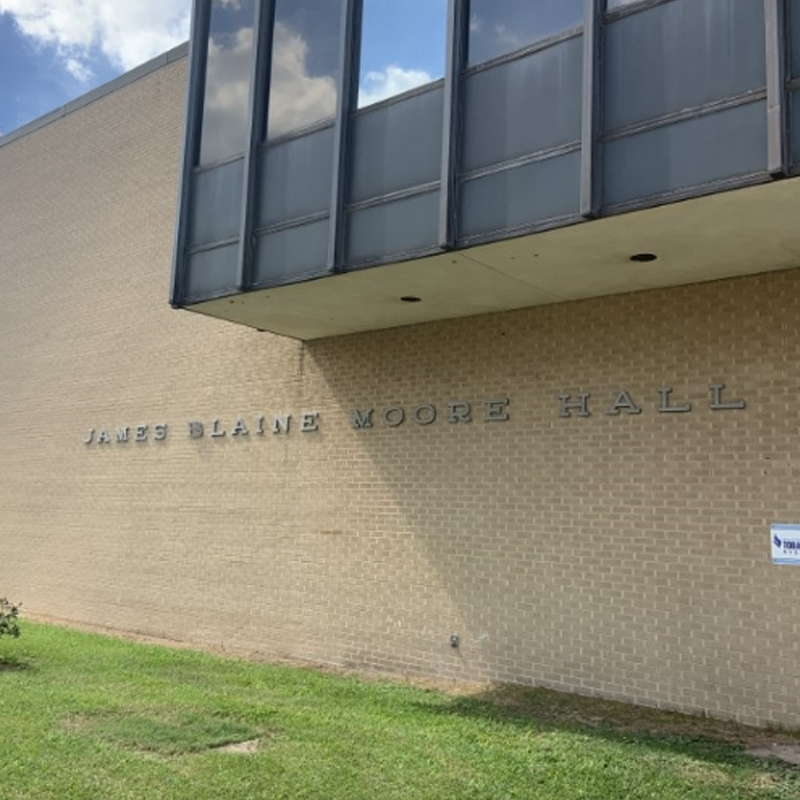
(See instructions for Mobile Devices)
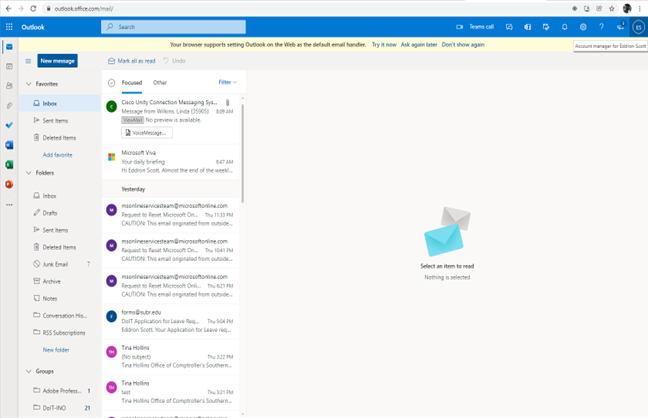
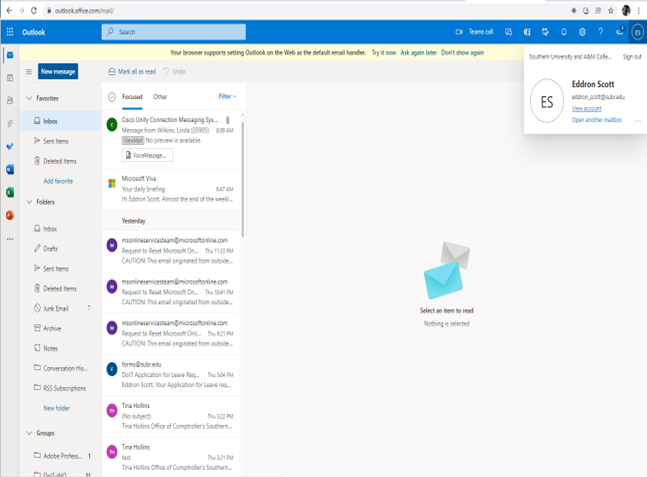
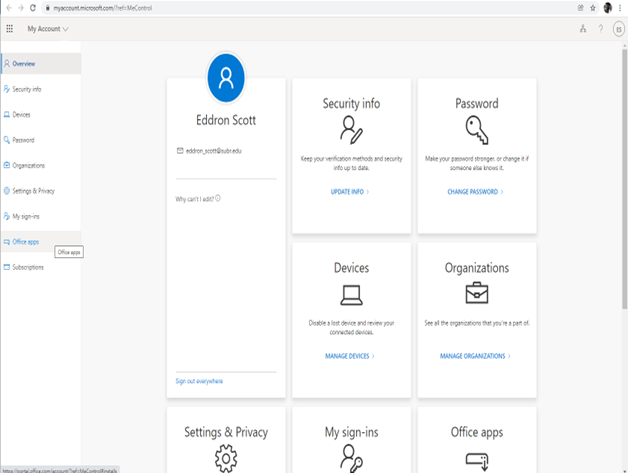
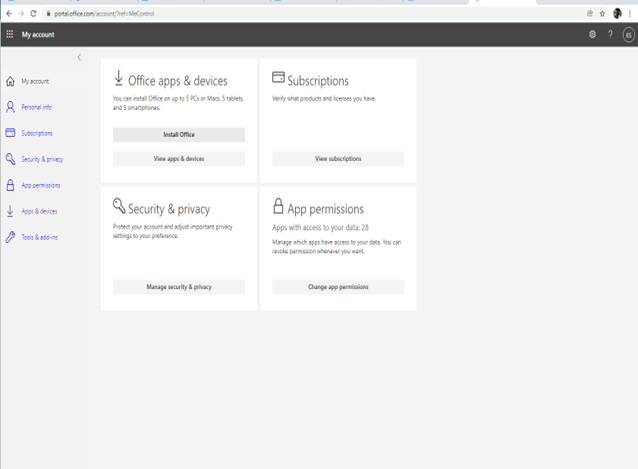
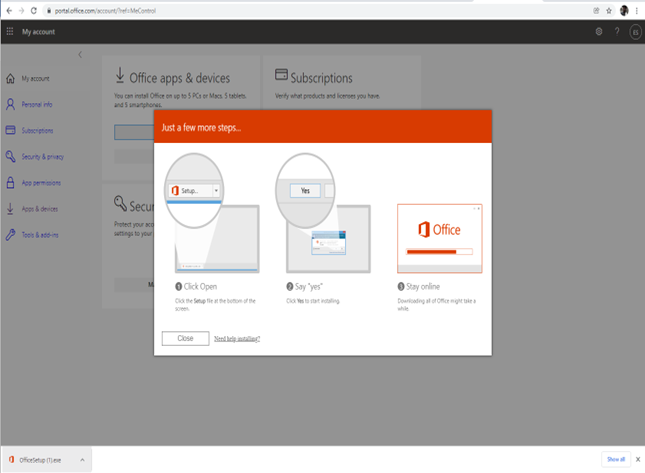
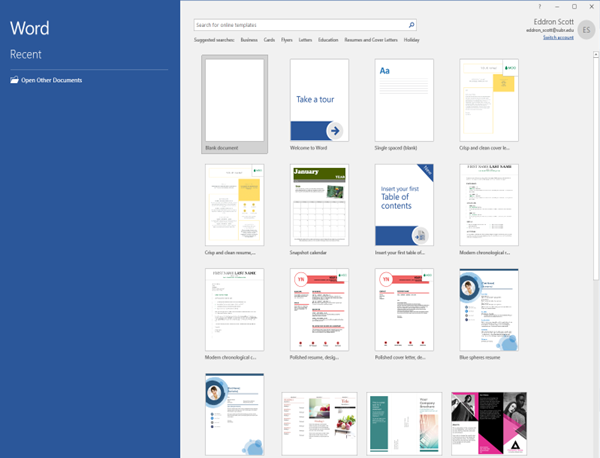
(See instructions for Desktop/Laptop Devices)
The following information should be helpful with setting up your favorite device to access MS Office 365 e-mail:
(Note: During the setup of your device make sure you enter your entire e-mail address (john_doe_00@subr.edu) for the user name or login. For best results when setting up your mobile device, remove any previous SUBR mail profiles prior to following the setup instructions.)
Have a specific Ollama + Java integration challenge? The community is active on GitHub (ollama/ollama) and Reddit (r/LocalLLaMA). Share your use case – local AI for Java is growing faster than ever.
Add the Ollama-specific LangChain4j dependency to your pom.xml file:
With Ollama up and running, it's time to decide how you want to connect it to your Java application. Your choice will depend on your project's complexity and your specific needs. For a quick reference, the table below summarizes the primary options. ollamac java work
TTFT = Time to First Token
Running LLMs locally requires tuning your Java runtime environment to prevent system bottlenecks: Have a specific Ollama + Java integration challenge
: The official Spring framework for AI integration, which provides first-class support for Ollama through the OllamaChatModel and OllamaEmbeddingModel . It is ideal for developers already working within the Spring ecosystem.
OllamaChatModel model = OllamaChatModel.builder() .baseUrl("http://localhost:11434") .modelName("qwen2.5:7b") .temperature(0.7) .build(); Add the Ollama-specific LangChain4j dependency to your pom
When you download a model through Ollamac, it becomes available to your Java application instantly. Your Java code can query the engine via standard HTTP requests, while you use Ollamac as a visual playground to test prompts and monitor model behavior. Prerequisites
Modern LLMs support powerful advanced features. Two of the most impactful are (or Function Calling) and JSON Mode .
Instead of hardcoding client configurations, Spring AI externalizes setup parameters: properties
| Problem | Likely Cause | Solution | | :--- | :--- | :--- | | Connection refused | Ollama server is not running. | Ensure ollama serve is running in the background or Docker container is active. | | Model 'xyz' not found | The specified model hasn't been pulled. | Run ollama pull <model-name> on the command line. | | Slow response times | Model is too large for available RAM/VRAM. | Use a smaller quantized model (e.g., qwen2.5:7b-q4_K_M ). | | Garbled or nonsensical output | Incorrect model parameters or prompt format. | Simplify your prompt. Adjust temperature to be lower (e.g., 0.2). |