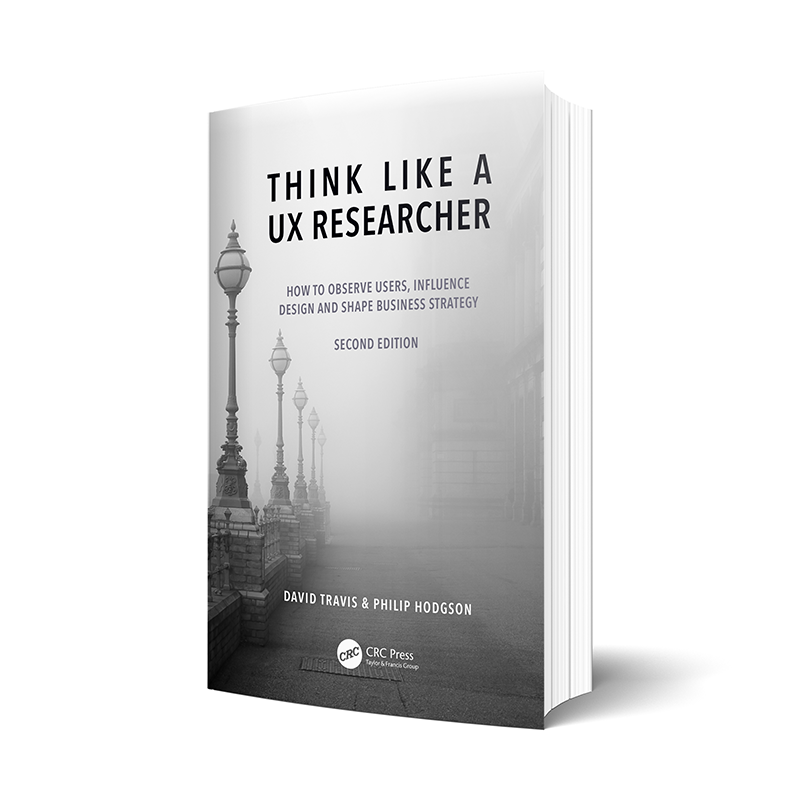
Think Like a UX Researcher: How to observe users, influence design, and shape business strategy
In this newly revised Second Edition, you'll find six new essays that look at how UX research methods have changed in the last few years, why remote methods should not be the only tools you use, what to do about difficult test participants, how to improve your survey questions, how to identify user goals when you can’t directly observe users and how understanding your own epistemological bias will help you become a more persuasive UX researcher.
Buy Now
Tamil Kamakathaikal Book Full !!exclusive!! Jun 2026
– Lakshmi, a married housewife, discovers an old diary belonging to her late mother. The diary’s erotic entries inspire Lakshmi to explore her own hidden fantasies.
The term "Kamakathaikal" breaks down into "Kama" (pleasure or desire) and "Kathaikal" (stories). These are that center on relationships, intimacy, and sensuality. Their primary goal is to provide mature entertainment, addressing themes often considered taboo in mainstream Tamil society. While the genre is predominantly digital, it fulfills the same role as erotic fiction in other languages—offering an escape into a world of passion and fantasy.
The history of Tamil kamakathaikal books dates back to the early 20th century, when Indian writers began translating Western erotic literature into Tamil. These translations were often done clandestinely, as the British colonial government considered such content obscene and punishable by law. However, with the rise of Indian independence and the relaxation of censorship laws, Tamil publishers began to produce original kamakathaikal content. tamil kamakathaikal book full
| Period | Key Milestones | Representative Works / Authors | |--------|----------------|--------------------------------| | | Early romantic poems (e.g., Ainkurunuru , Kurunthogai ) that celebrate love and sensuality in an elegant, restrained style. | Poets such as Kapilar , Avvaiyar (early phase) | | Post‑Sangam / Early Medieval (300 – 900 CE) | Introduction of more explicit narratives; influence of Jain and Buddhist erotic tales. | Silappatikaram (though primarily heroic, contains vivid love scenes) | | Chola & Pandya Era (900 – 1300 CE) | Flourishing of courtly love literature; the rise of kaviyam (epic poems) that blend heroic and romantic plots. | Kalingattu Parani , Thiruvalluvar’s minor verses | | Vijayanagara & Nayak Period (1300 – 1700 CE) | A surge in standalone erotic prose and poetry, often compiled in “Kama‑kathai” collections. | Muthuvar’s Kaviyam , Thiruvalluvar’s Thirukkural (verse 6‑7 on love) | | Colonial & Modern Era (1700 – present) | Printing technology spreads; erotic literature becomes both a market commodity and a site of social contestation. Some works are censored, others celebrated for cultural heritage. | Muthuswami Kamakaviyam , R. R. Venkataraman Kamakathaigal (20th c.), Vijayalakshmi Kamakathaikal (contemporary) |
Acknowledge that these stories are categorized as adult fiction. – Lakshmi, a married housewife, discovers an old
They were printed on low-grade newsprint with eye-catching, hand-drawn cover art.
Tamil kamakathaikal refers to erotic short stories written in Tamil, often circulated in print and online. They occupy a complex cultural space—simultaneously a form of popular entertainment, a vehicle for exploring sexuality in conservative contexts, and a subject of legal, moral, and literary debate. This treatise analyzes their origins, themes, literary qualities, social functions, distribution, ethical and legal questions, and their place in contemporary Tamil culture. These are that center on relationships, intimacy, and
Tamil kamakathaikal is a unique and fascinating genre of literature that offers a glimpse into the complexities of human relationships and desires. With its rich history, cultural significance, and literary merit, Tamil kamakathaikal continues to captivate readers and inspire writers. Whether you are a scholar, a reader, or simply someone interested in exploring the world of Tamil literature, Tamil kamakathaikal is definitely worth discovering.
Authors almost always wrote under colorful pseudonyms to protect their identities due to social stigmas.
What's new in the 2nd Edition?
Since publication of the first edition, the main change, largely brought about by COVID and lockdowns, was a shift towards using remote UX research methods. So in this edition, we have added six new essays on the topic. Two essays describe the “how” of planning and conducting remote methods, both moderated and unmoderated. We also include new essays on test participants, on survey questions, and we reveal how your choice of UX research methods may reflect your own epistemological biases. We also flag the pitfalls of remote methods and include a cautionary essay on why they should never be the only UX research method you use.
Skim the Table of Contents