Okinawa-kenpo is a karate style which has been developed based on ancient Okinawan martial arts called "Ti". Its technique and thought were studied and refined by a Tomari-te master, Shinkichi Kuniyoshi (also known as "BUSHI" Kuniyoshi) and passed down to Grand Master Shigeru Nakamura, the founder of Okinawa-kenpo. Grand Master Nakamura opened his own dojo "Okinawa-kenpo Karate-do Shurenjo" at Onaka, Nago city and taught his art of karate.
Written in Japanese.
Japanese fonts required to view this contents
"Okinawa-kenpo" was founded by Grand Master Shigeru Nakamura in 1960 as an association of diverse dojos based on his belief "there is no Ryuha in Okinawa karate".
Participation to a competition in Kyushu as "The All Japan karate-do Federation, Okinawa District" was how it all started. Nakamura felt how strong Japanese karate organization was at the competition and worried about the future of Okinawa karate.
Then, he appealed to all karate-ka in Okinawa for participating to the movement of "Okinawa-kenpo".
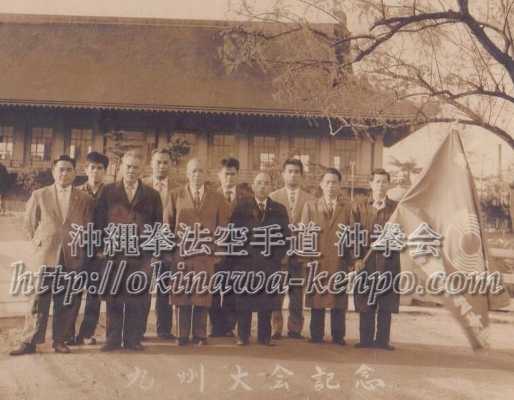
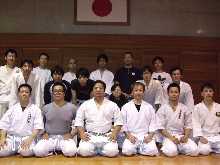
Upper row (left to right): 2nd from left, Komei Tsuha,Hiroshi Miyazato, Toshimitsu Kina
Bottom row (left to right): 2nd from left, Shigeru Nakamura, Shinsuke Kaneshima, Zenryo Shimabukuro
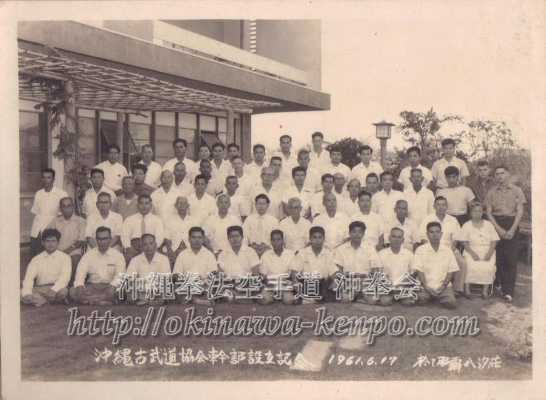
Upper row (left to right): (3rd from left) Kamaichi Nohara, Shinei Kaneshima, Tatsuo Shimabuku, (10th from left) Masami Chinen, Zenryo Shimabukuro
Middle row (left to right): (3rd from left) Shinei Kyan, Shosei Kina, Shinsuke Kaneshima, Seitoku Higa, (8th from left) Seiyu Nakasone, Kenko Nakaima
Bottom row (left to right): Hiroshi Miyazato, Komei Tsuha, (9th from left) Shigeru Nakamura, Joen Nakazato
In June 17, 1961, karate masters from all over Okinawa gathered at Yashio-so, Naha city. At this meeting, they had a discussion about the unification of Okinawa karate and finally came to endorse it (Establishing of Okinawa Kobudo Kyokai).
After Nakamura's passing, the group fell apart. However, Okinawa karate advanced to an era of great development.
Each karate style goes on its own way, and Okinawa-kenpo has become the name of the style which was taught and practiced by the students of Grand Master Nakamura.
Various Ryuha participated in the movement of "Okinawa-kenpo".
Mostly, they were from "The All Japan karate-do Federation, Okinawa District" and "Okinawa Kobudo Kyokai". Exchange of techniques was widely performed among them.
After the death of Nakamura, Okinawa-kenpo was divided into several groups.
Each group inherited Nakamura's will and techniques and developed Okinawa-kenpo in their own way.
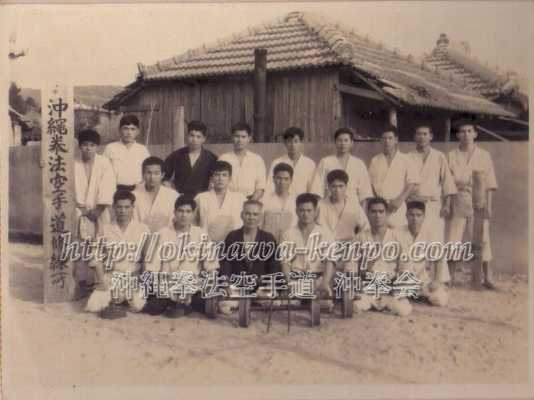
Bottom row, 3rd from left, Grand master Shigeru Nakamura, Shihan-dai Hiroshi Miyazatoo, Toshimitsu Kina
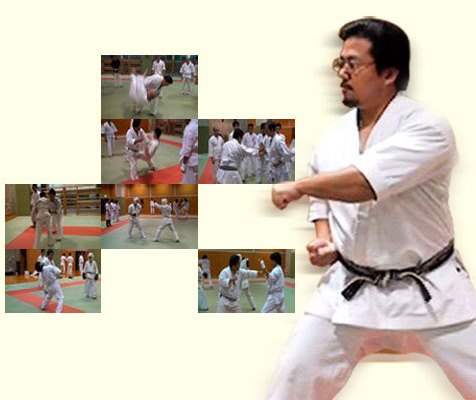
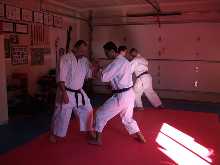
Old style karate techniques and training methods still remain in our system. We train with those methods, which are rarely seen in other Ryuha these days.
Tanren-hou (Training method)
Okinawa-sumo (traditional Okinawan wrestling)
Torite (grabbing)
Buki-jutsu (weapons)
Our techniques, from empty hands to weapons,are incorporated in a coherent system and consist of common basic skills.
Historically, Okinawa-kenpo inherited various Kata.
The following is a list of kata which are practiced at Okinawa-kenpo Karate-do, Oki-ken-kai
Karate
Weapons
: Sites like OpenSubtitles and My-Subs.co host various versions, including "SDH" (Subtitles for the Deaf and Hard-of-Hearing) which often provide better descriptions of background sounds and slang.
Much of the humor and tension in the film relies on Cockney rhyming slang and vintage British underworld jargon. Charlie Croker (Michael Caine) and his crew speak a dialect that can feel like a foreign language to international viewers or younger generations.
Subtitles act as a cultural translator. When Michael Caine’s Charlie Croker barks out orders or trades barbs with his crew, the captions help you catch every piece of dialogue. Phrases that might sound like mumbled background noise suddenly become clear, ensuring you do not miss the regional humor and distinct criminal dialects that give the film its authentic British grit. Appreciating the Genius of Noel Coward the italian job 1969 subtitles better
Quincy Jones’s score and Matt Monro’s “On Days Like These” are integral to the film’s identity. Dubbing often lowers or replaces music behind dialogue, ruining the rhythmic interplay between speech and song. Subtitles leave the audio mix untouched, allowing the music to swell during the Turin chase without vocal overlay.
The Italian Job (1969) is a timeless classic that continues to captivate audiences with its stylish direction, memorable characters, and intricate plot. For those looking to experience this iconic film with improved accessibility, opting for can significantly enhance the viewing experience. With the evolution of film accessibility and the benefits of subtitles, viewers can now engage with this beloved film in a more immersive and inclusive way. Whether you're a film enthusiast or a casual viewer, The Italian Job 1969 with subtitles better is a great way to experience this cult classic. : Sites like OpenSubtitles and My-Subs
In the standard audio mix, these ambient noises often swallow the dialogue. Caine’s dry wit— “I have a plan so cunning you could put a tail on it and call it a weasel” —is frequently buried under engine roars.
This public link is valid for 7 days and shares a thread, including any personal information you added. This link or copies made by others cannot be deleted. If you share with third parties, their policies apply. Can’t copy the link right now. Try again later. Subtitles act as a cultural translator
Beyond linguistic hurdles, many available subtitle tracks for The Italian Job suffer from technical flaws found in older digital transfers:
The subtitler of The Italian Job faces a key technical rule: a maximum of two lines, approximately 37 characters per line, displayed for 2-3 seconds. Rapid-fire banter (e.g., the Turin traffic jam dialogue) necessitates condensation.
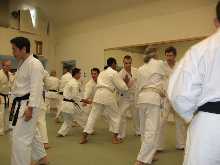
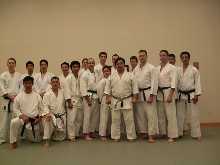
We, Okinawa-kenpo Karate-do Oki-Ken-Kai, work on in a unit called "Keiko-kai".
is a group of like-minded people to practice Okinawa-kenpo any time and anywhere.
Today, there are Keiko-kai in eight region Japan;
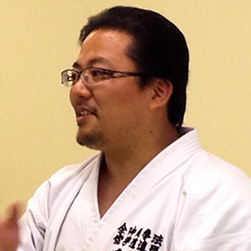
Shihan Yamashiro visits each Keiko-kai regularly, trains them, and conducts open seminars.


Shihan Yamashiro has been invited by masters of other styles, and conducted seminars regularly.


He started practicing karate when he was little with his father, Tatsuo Yamashiro, who inherited "Ti" from Hiroshi Miyazato.
He won 1st place at "All Okinawa Full Contact Fighting with Bogu Gear Tournament" in 1992 and 1993,
Written in Japanese.
Japanese fonts required to view this contents