 |
|
   |
|
|
அகல் விளக்கு (www.agalvilakku.com) - தற்போதைய வெளியீடு :
திண்டுக்கல் பாதாள செம்பு முருகன் கோவில் |
சென்னை நெட்வொர்க் (www.chennainetwork.com) - தற்போதைய வெளியீடு :
காகம் (Crow) |
தேவிஸ் கார்னர் (www.deviscorner.com) - தற்போதைய வெளியீடு : அத்திப் பழம் - Fig |
தமிழ் திரை உலகம் (www.tamilthiraiulagam.com) - தற்போதைய வெளியீடு :
எண்ணி இருந்தது ஈடேற - அந்த 7 நாட்கள் (1981) |
The films often reflect the strong communitarian values and wit inherent in Malayali culture. This is evident in how stories prioritize character-driven narratives over larger-than-life spectacle. Intellectual Identity:
Malayalam cinema, also known as Mollywood, has been a significant part of Indian cinema since the 1930s. Kerala, the state where Malayalam cinema originates, has a rich cultural heritage that has greatly influenced the film industry. Here are some helpful features of Malayalam cinema and Kerala culture:
"Here," a voice said, breaking his reverie.
While rooted in tradition, Malayalam cinema has evolved, reflecting the changing cultural landscape.
Malayalam cinema, often referred to as "Mollywood," is not merely an entertainment industry; it is a profound artistic reflection of the cultural, social, and political landscape of Kerala. Nestled between the Western Ghats and the Arabian Sea, Kerala boasts a distinct identity characterized by high literacy rates, progressive social movements, lush landscapes, and diverse traditions. Over decades, Malayalam filmmakers have expertly woven these elements into the cinematic fabric, creating a unique, often realistic, and globally acclaimed body of work.
: Films often depict the harmonious (and sometimes tense) coexistence of Hindu, Muslim, and Christian communities, reflecting the actual demographic makeup of the state.
Platforms like Minnal Murali and Joji have brought Mallu culture to a global audience, making "Desi Mallu" content a point of pride rather than just a search term. 3. The Shift to Social Media and Vlogging
Even in mainstream commercial cinema, politics is never far away. Filmmakers like Sathyan Anthikad and Sreenivasan perfected the art of political satire in the 1980s and 1990s. Films like Sandesham (1991) brilliantly caricatured the blind obsession with party politics at the cost of personal responsibility, remaining a cultural touchstone for political discourse in Kerala to this day. The Realistic Transition and the "New Wave"
வீடியோ வெளியீடுகள் |
|
The films often reflect the strong communitarian values and wit inherent in Malayali culture. This is evident in how stories prioritize character-driven narratives over larger-than-life spectacle. Intellectual Identity:
Malayalam cinema, also known as Mollywood, has been a significant part of Indian cinema since the 1930s. Kerala, the state where Malayalam cinema originates, has a rich cultural heritage that has greatly influenced the film industry. Here are some helpful features of Malayalam cinema and Kerala culture:
"Here," a voice said, breaking his reverie. www desi mallu com hot
While rooted in tradition, Malayalam cinema has evolved, reflecting the changing cultural landscape.
Malayalam cinema, often referred to as "Mollywood," is not merely an entertainment industry; it is a profound artistic reflection of the cultural, social, and political landscape of Kerala. Nestled between the Western Ghats and the Arabian Sea, Kerala boasts a distinct identity characterized by high literacy rates, progressive social movements, lush landscapes, and diverse traditions. Over decades, Malayalam filmmakers have expertly woven these elements into the cinematic fabric, creating a unique, often realistic, and globally acclaimed body of work. The films often reflect the strong communitarian values
: Films often depict the harmonious (and sometimes tense) coexistence of Hindu, Muslim, and Christian communities, reflecting the actual demographic makeup of the state.
Platforms like Minnal Murali and Joji have brought Mallu culture to a global audience, making "Desi Mallu" content a point of pride rather than just a search term. 3. The Shift to Social Media and Vlogging Kerala, the state where Malayalam cinema originates, has
Even in mainstream commercial cinema, politics is never far away. Filmmakers like Sathyan Anthikad and Sreenivasan perfected the art of political satire in the 1980s and 1990s. Films like Sandesham (1991) brilliantly caricatured the blind obsession with party politics at the cost of personal responsibility, remaining a cultural touchstone for political discourse in Kerala to this day. The Realistic Transition and the "New Wave"
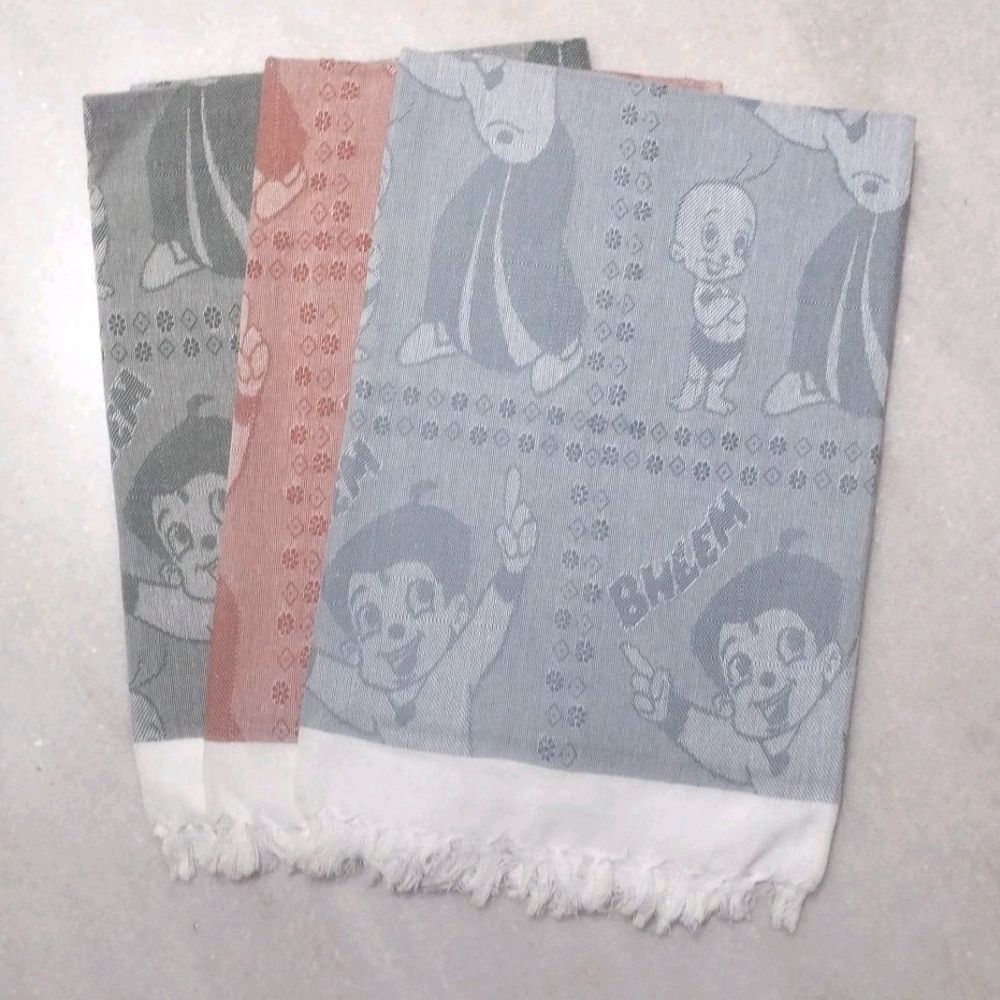
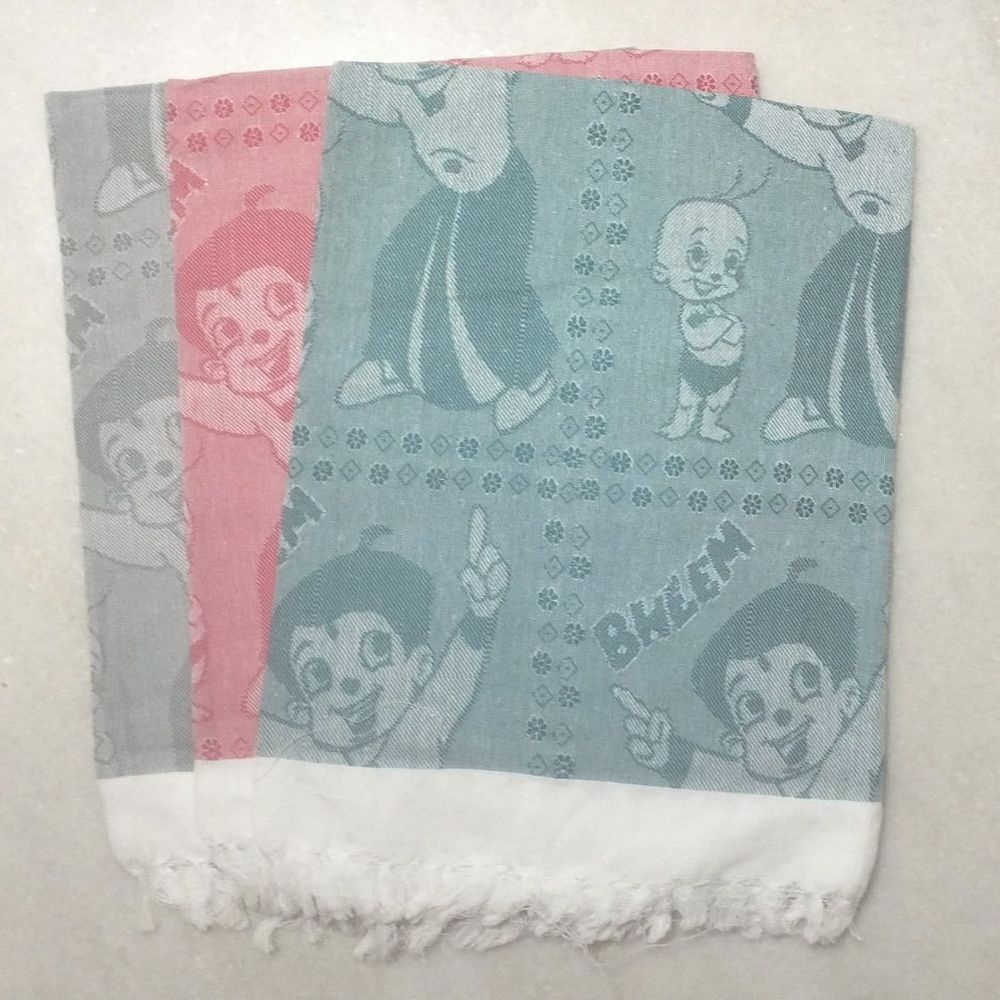
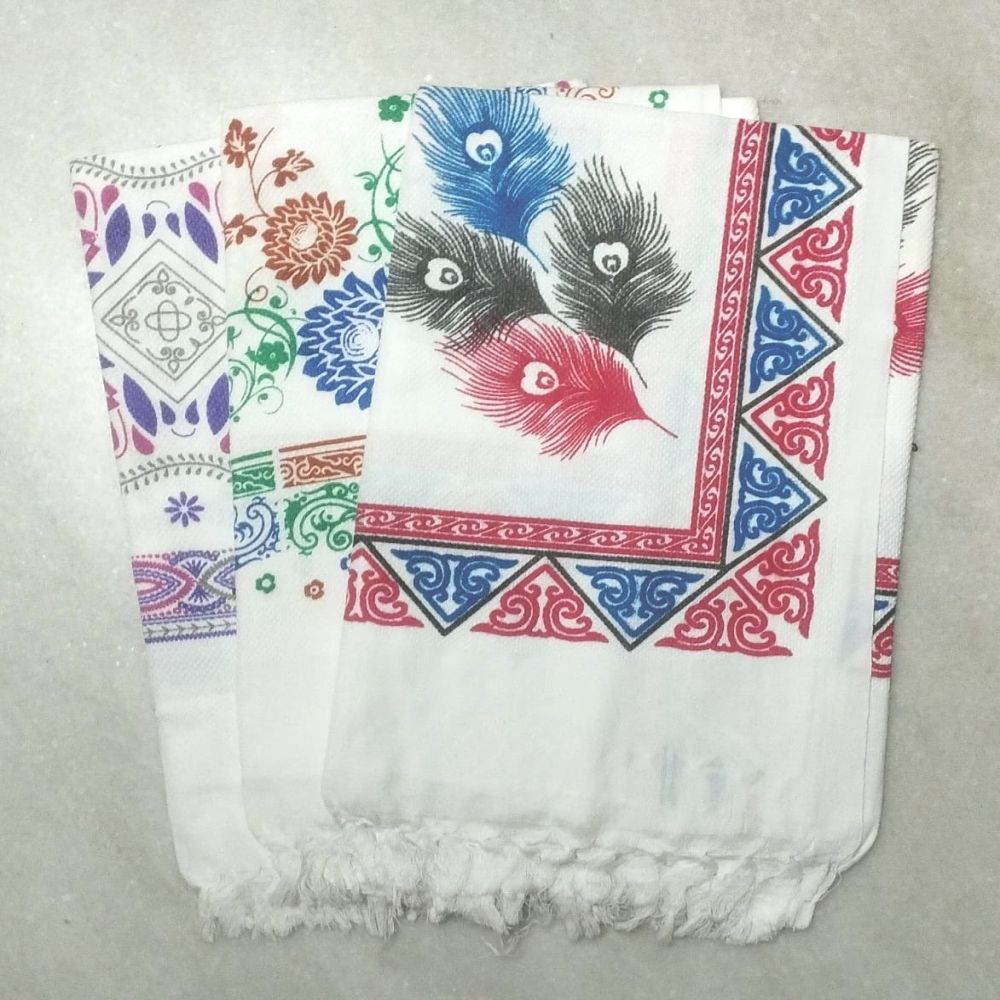
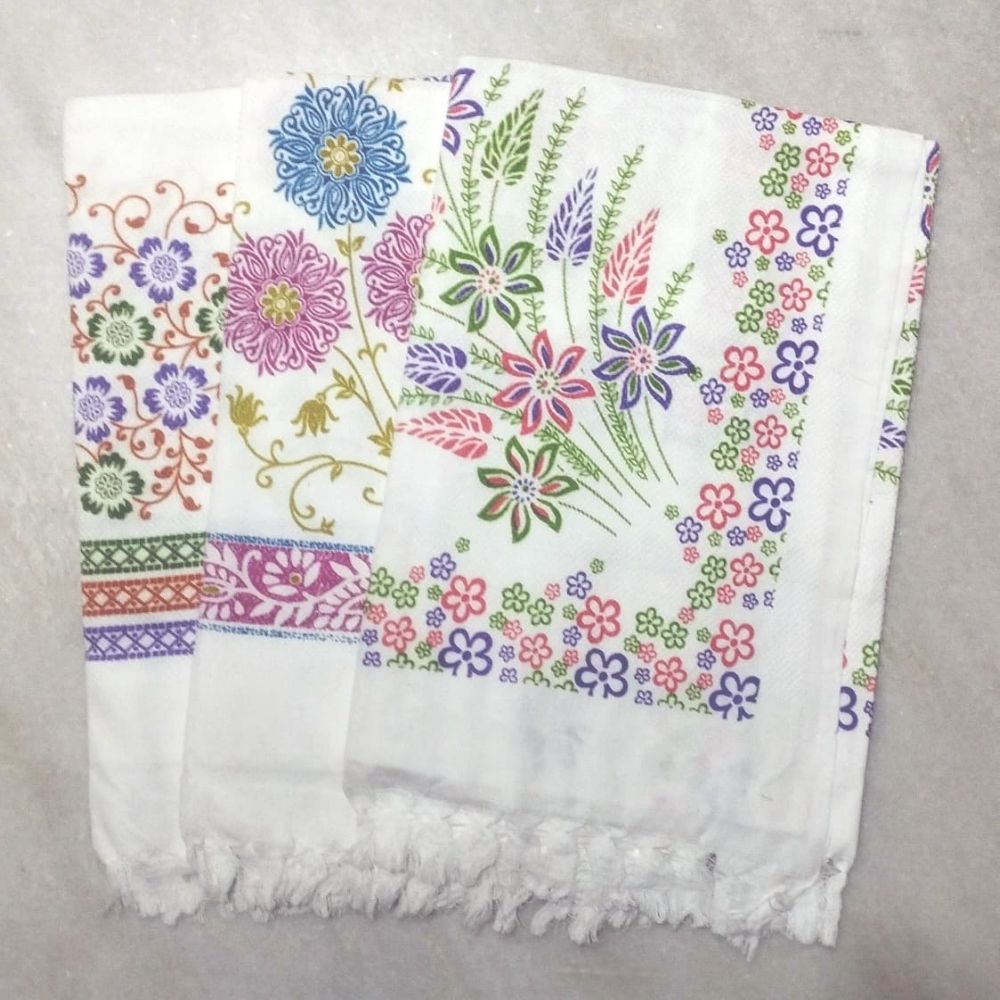
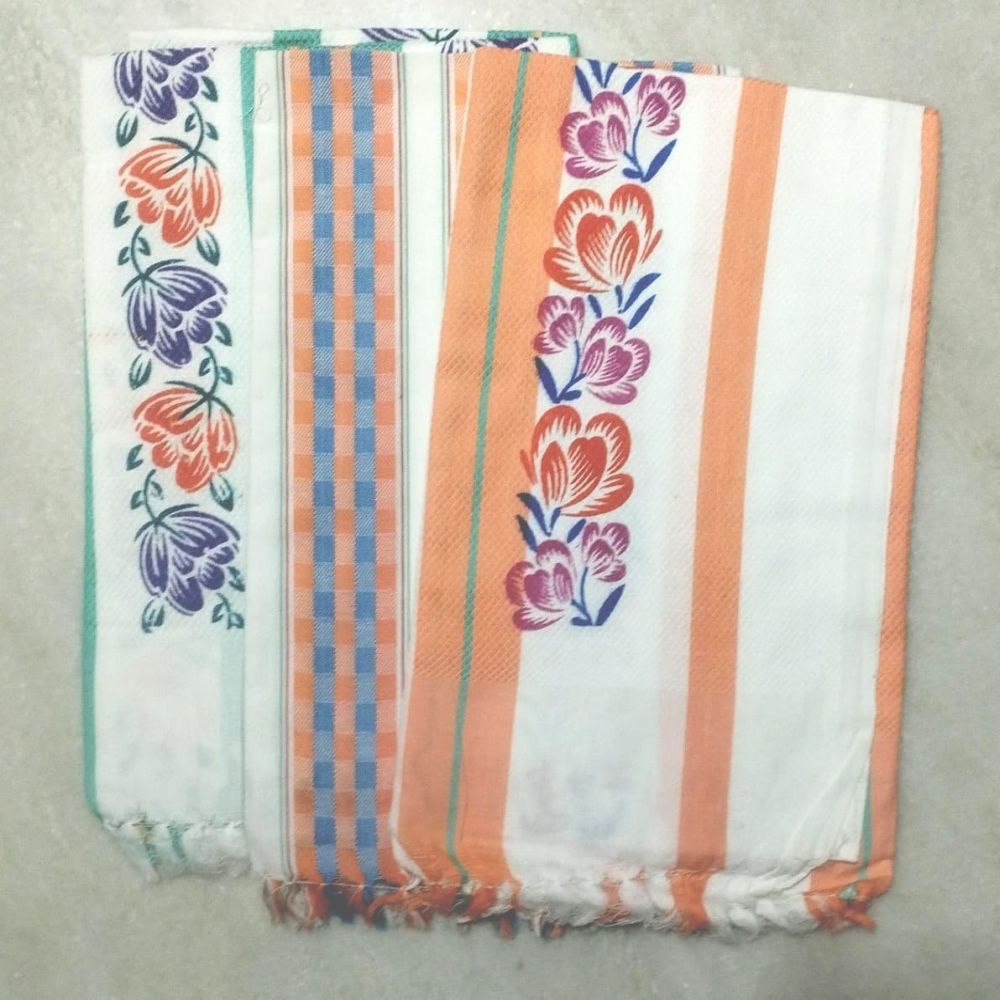
Cotton Bath Towels (Dharanish Mart - www.dharanishmart.com)
Set of 3 Towels | Big Size 29 x 55 Inch (73 x 139 cm) | MRP: Rs. 333/- | Discount Price: Rs. 300/- | Shipping: Free | Total Rs. 300/-
|

|
|
To Order: whatsapp: 9444086888 | To Pay: GPAY/ UPI Id: dharanishmart@cub
|
தரணிஷ்மார்ட் - www.dharanishmart.com (அனைத்து பதிப்பக நூல்கள் 10% தள்ளுபடியுடன்) |
|
GPay / UPI ID: dharanishmart@cub | பேசி: +91-9444086888 (Whatsapp)
|
© 2025 தமிழ்திரைஉலகம்.காம் | எங்களைப் பற்றி | தொடர்புக்கு | பொறுப்பாகாமை அறிவிப்பு | ரகசிய காப்பு கொள்கை |