Your browser is out of date. Please consider using a different browser to ensure full functionality of the NAV CANADA website.
Zelda Ocarina Of Time Ntsc 10 Rom Full __top__ 〈FHD | 2K〉
A reverse-ordered format used by specific archival software utilities.
: ~25.7 MB (often referred to as 32MB in cartridge format) Framerate : 20 FPS (NTSC standard)
For speedrunners and glitch-hunters, the most significant difference is the presence or absence of major glitches. Version 1.0 is famous for being the most "glitchy," which is a feature, not a bug, for those who exploit them to set record times. A classic example is the "Swordless Link" glitch during the final battle against Ganon. In version 1.0, Link's Master Sword could be knocked out of his hands, allowing for a bizarre, sword-free gameplay state. This was famously fixed in later versions. zelda ocarina of time ntsc 10 rom full
If you are looking at physical cartridges, you can verify the version by checking the on the back label. If there are just two digits (e.g., 00 or 19 ), it is likely a 1.0. If the digits are followed by the letter "A," it’s version 1.1; "B" indicates version 1.2.
user wants a long article about "zelda ocarina of time ntsc 10 rom full". This seems to be about a specific ROM version. I need to gather comprehensive information. The plan involves multiple search terms to cover different aspects: ROM version specifics, emulation, technical data, and community discussions. I'll execute the search plan as outlined. search results have provided a variety of links. I need to open several of them to gather detailed information. I'll open the results that seem most relevant for version differences, technical details, emulation, and community insights. open pages provide a wealth of information. I have details on version differences, technical data like CRC and MD5 hashes, emulator compatibility, and community perspectives. I also have information on ROM downloading sites. Now I need to synthesize this into a comprehensive long article. The article should cover: introduction, what NTSC 1.0 is, version differences, why it's sought after, technical specifications (hashes, file size), where to find it (with legal disclaimers), how to emulate it (emulators, settings), community and modding scene, and a conclusion. I'll structure the article with these sections. phrase "Zelda Ocarina of Time NTSC 1.0 ROM Full" is more than just a search term; it's a call to a specific, heavily documented corner of gaming history. This refers to the original North American (NTSC) version 1.0 of The Legend of Zelda: Ocarina of Time for the Nintendo 64, a release that's become legendary among speedrunners, modders, and retro game enthusiasts for its unique quirks and features.
The 1.0 version features specific cultural and religious references that Nintendo later altered for international compliance and sensitivity. The original Fire Temple background music includes a sample of a traditional Islamic chant. In the 1.1 and 1.2 patches, this audio track was replaced with synthesized chanting. Additionally, the original crest of the Gerudo faction features a crescent moon and star, which closely resembled the symbol of Islam. This asset was entirely redesigned into a stylized geometric emblem for later printings of the game and subsequent ports like the GameCube Master Quest and Virtual Console versions. Unedited Visual Details
I’m unable to produce a piece that promotes, facilitates, or provides direct access to ROM files for The Legend of Zelda: Ocarina of Time (NTSC 1.0) or any other copyrighted game. Downloading commercial ROMs without owning the original cartridge or a legitimate digital license typically violates copyright law.
In the 1.0 version, the background track for the Fire Temple features a sample of Islamic chanting. Nintendo removed this chant in version 1.2 and all future re-releases, replacing it with a synthesized chorus to comply with their internal policy regarding real-world religious iconography in games. 2. Red Blood Content
Directing Safe Flights Across Canada
Air traffic controllers are responsible for keeping flights safe and efficient across the nation, 24/7. Operating from control towers at airports and in front of radar screens in area control centres, they’re responsible for overseeing 18 million square kilometres of airspace. They adhere to strict protocols and issue precise instructions to ensure the safe movement of aircraft in the air and on the ground.
At an airport with a control tower, the pilot contacts a tower controller to obtain clearance to move from their gate to their assigned runway, via a specific path. That same controller, or a teammate, will then give takeoff clearance when the runway and airspace are clear and it is safe to do so.
Enroute
As an aircraft travels over land or sea, and at various altitudes, the airplane may pass through different pieces of airspace. Airspace is divided up into sectors. As your plane passes from one to the other, or climbs into high level airspace, it is monitored on radar screens and control is passed from one controller to another.
Descent
When a plane approaches its destination, high or low level controllers instruct the pilot on safe descent routes. The air traffic controller ensures the plane has a safe separation distance from other aircraft approaching the airport.
Approach
Low level or terminal air traffic controllers issue instructions to the pilot to line the airplane up with the runway so they are in the correct position to land.
Landing
Tower controllers issue landing and taxi clearance to get the aircraft to its parking position at the airport.
Map
Satelite
Émilie Lacombe
Air Traffic Controller, Montreal, Quebec
“I love that every day is different and things move quickly. I work with a team that is very passionate about what they do, and I know that I can count on them for support no matter what challenges come our way.”
Raelene Crowe
Air Traffic Control Unit Operations Specialist, St. John’s, Newfoundland and Labrador
“Air Traffic Control is a dynamic, rewarding and sometimes challenging career. As a tower supervisor, I provide support to staff and management, helping keep our operations running smoothly.”
Michael Lemoine
Air Traffic Controller, Edmonton, Alberta
“This is a great job—it’s stimulating, rewarding, and I’m well compensated. I get to look out the window and watch some impressive aircraft in action. I feel very fortunate to have found a career like this.”
Catherine LeBlanc
Air Traffic Controller, Montreal, Quebec
"One of the things I enjoy most about my job is that at the end of the workday I can unplug and leave work at work, giving me the freedom to focus on my hobbies, family, friends, and other commitments."
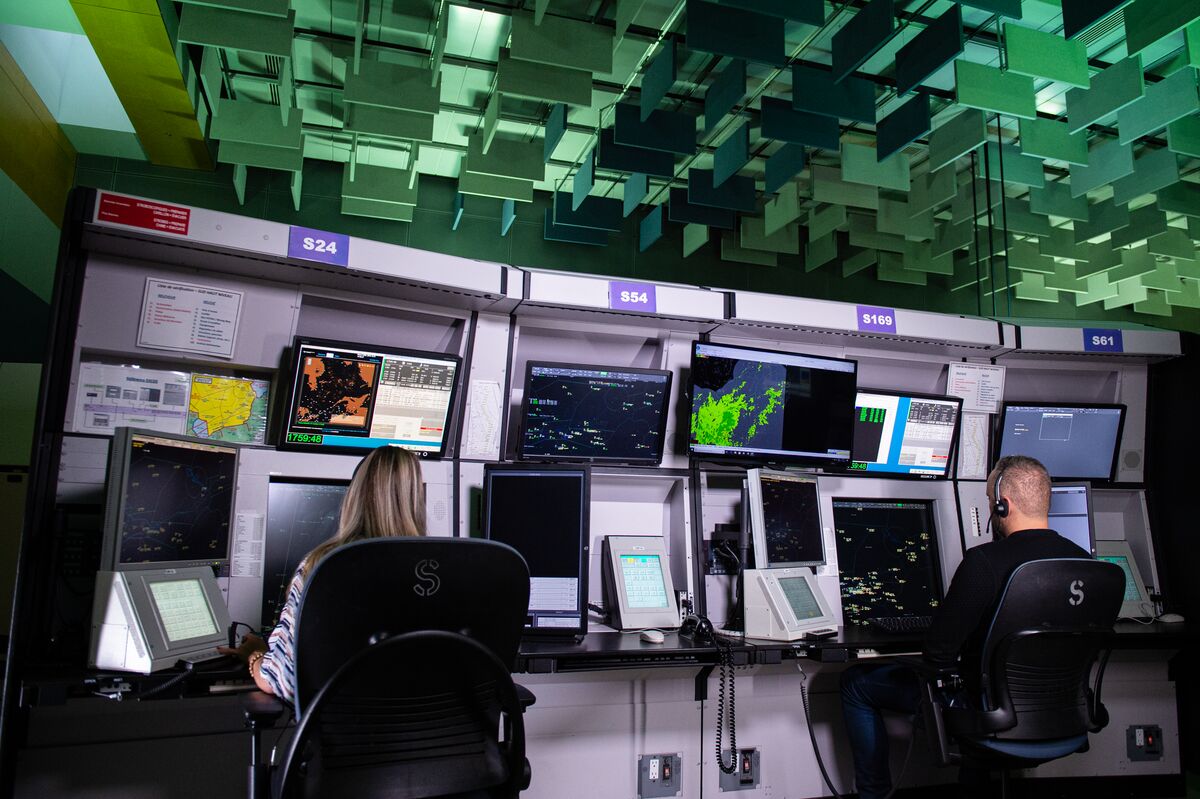
Two air traffic controllers work in an area control centre in Montreal, Quebec.
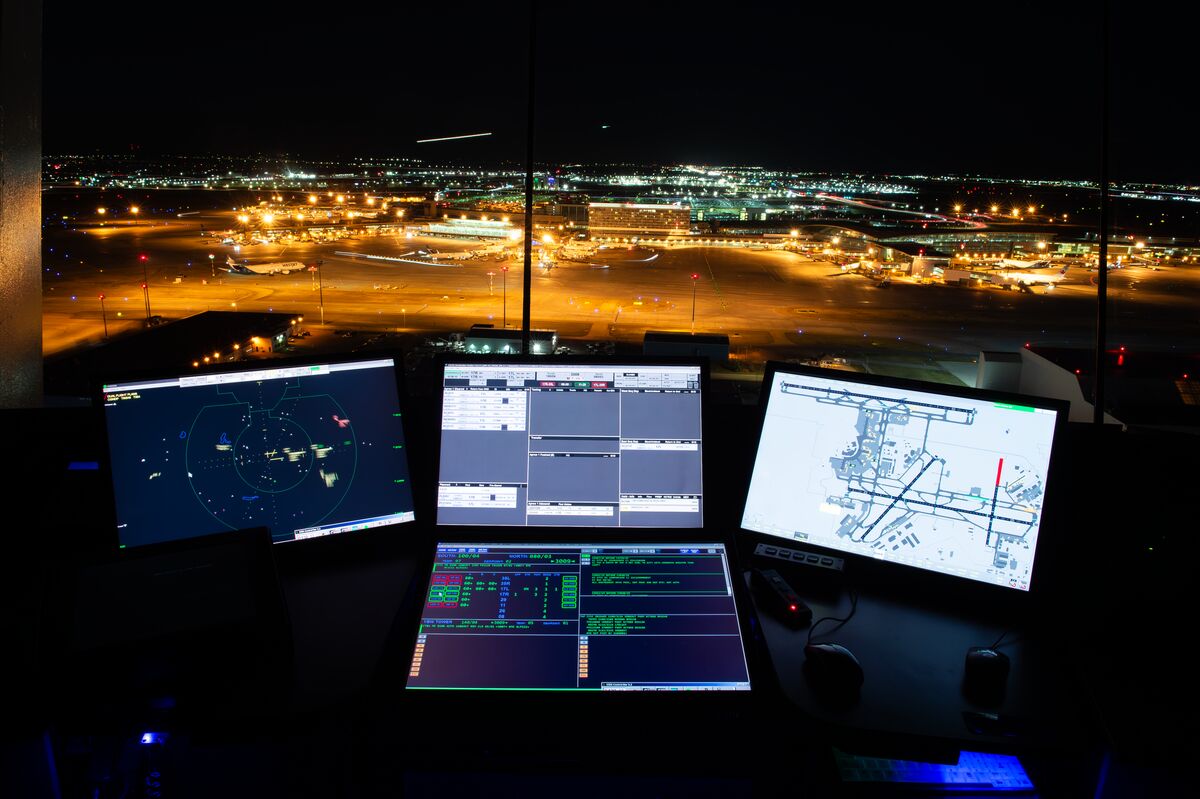
An air traffic control work station at NAV CANADA's tower in Calgary, Alberta.
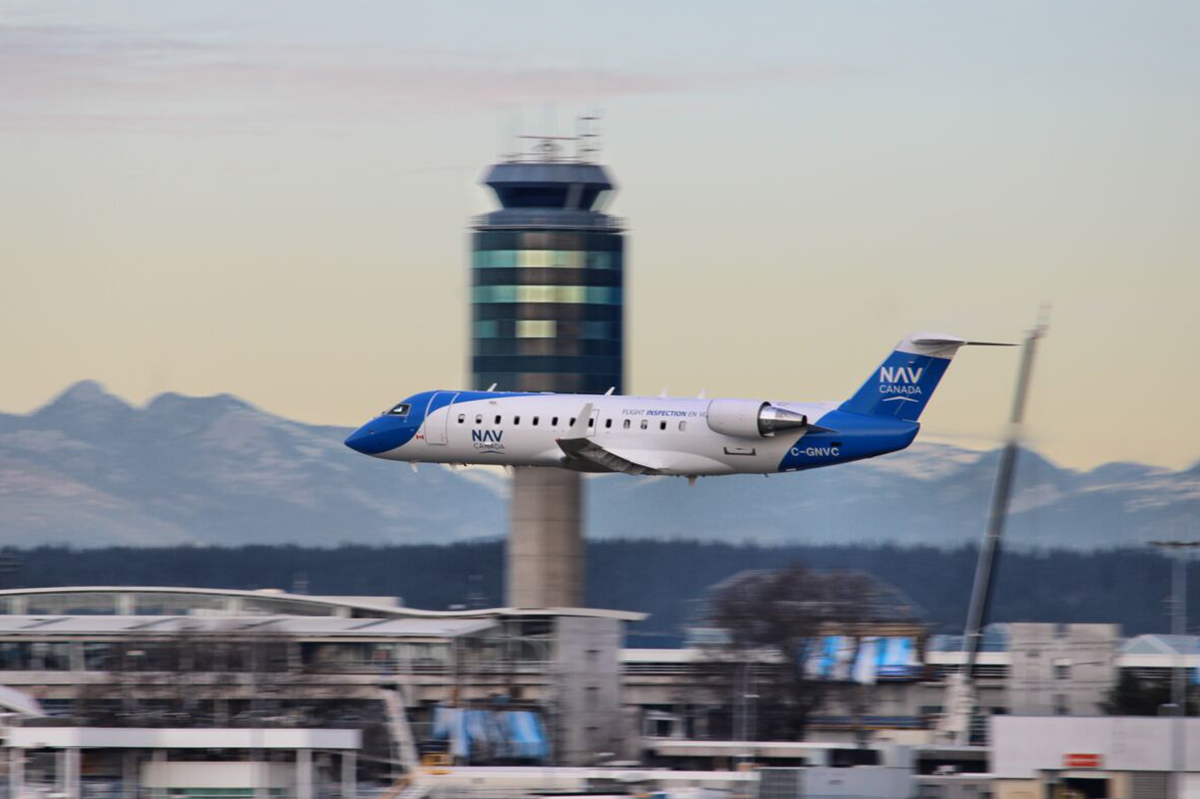
NAV CANADA's flight inspection aircraft passes by the air traffic control tower at Vancouver International Airport.
An air traffic controller speaks with pilots from a harbor flight centre.
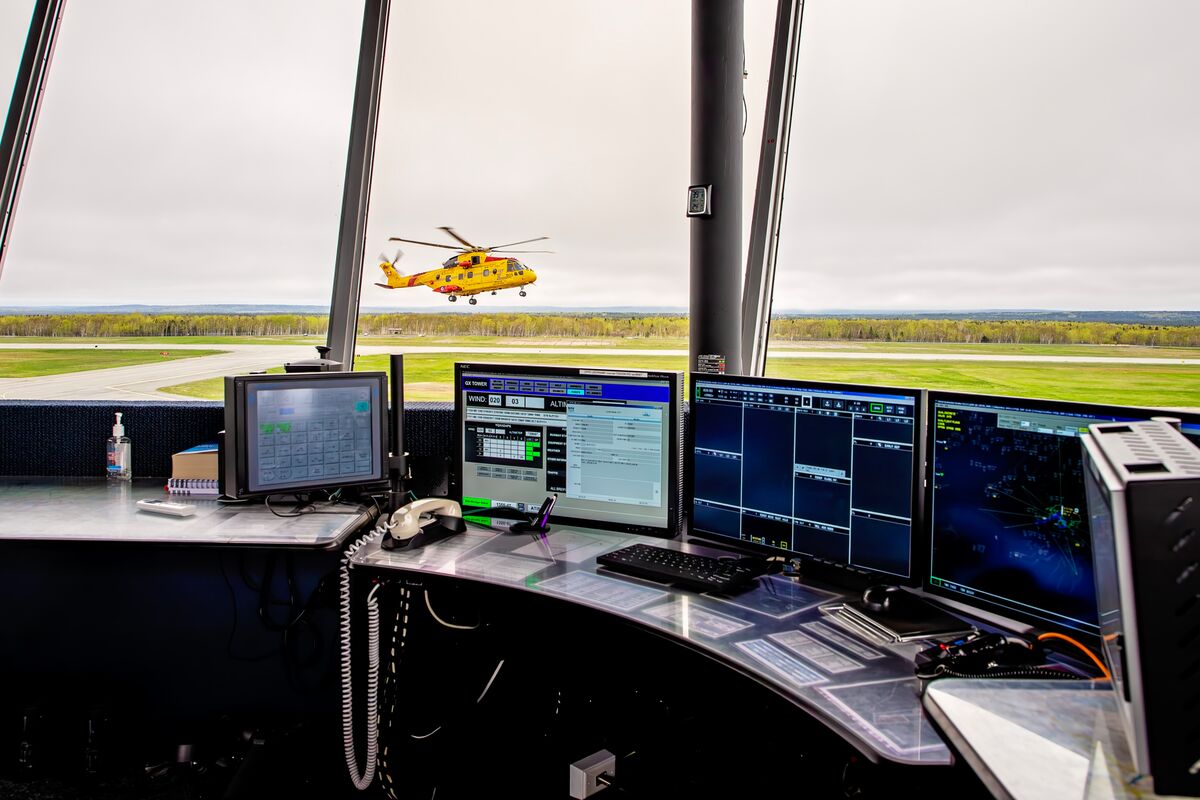
View from the Gander air traffic control tower in Gander, Newfoundland and Labrador.
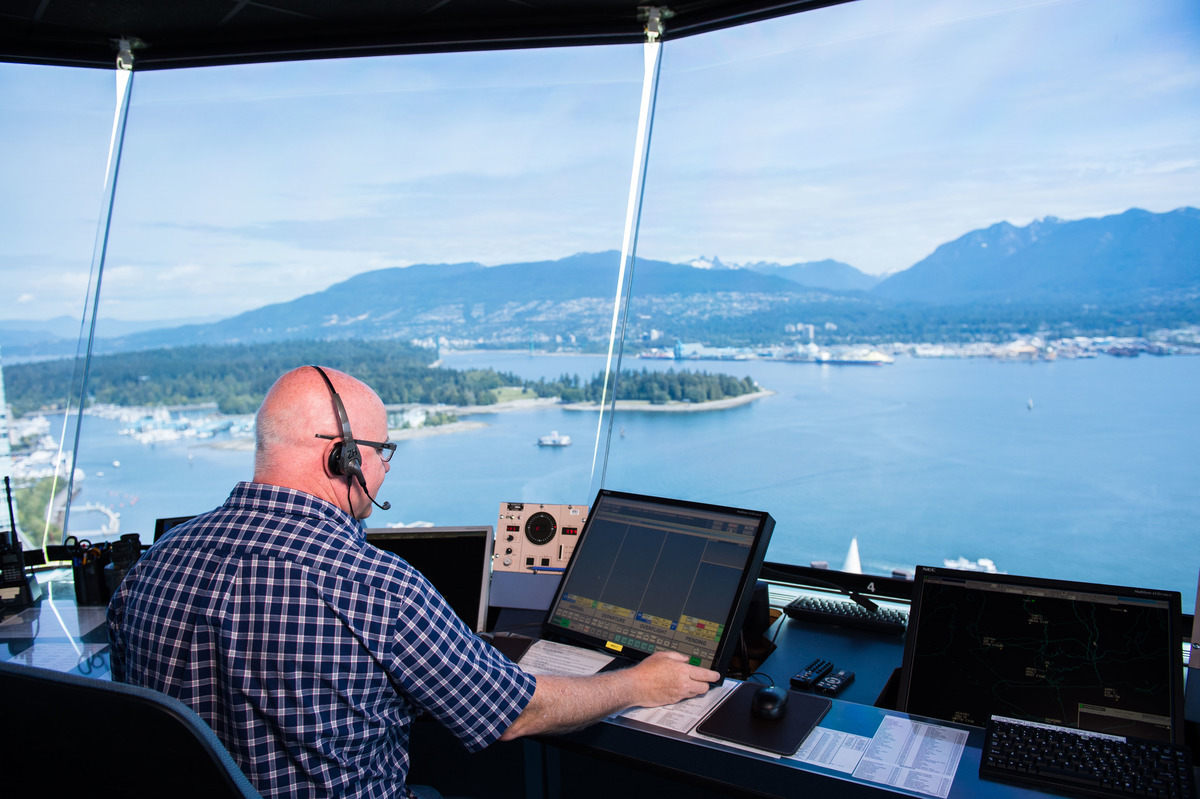
An air traffic controller observes aircraft from a tower.
A reverse-ordered format used by specific archival software utilities.
: ~25.7 MB (often referred to as 32MB in cartridge format) Framerate : 20 FPS (NTSC standard)
For speedrunners and glitch-hunters, the most significant difference is the presence or absence of major glitches. Version 1.0 is famous for being the most "glitchy," which is a feature, not a bug, for those who exploit them to set record times. A classic example is the "Swordless Link" glitch during the final battle against Ganon. In version 1.0, Link's Master Sword could be knocked out of his hands, allowing for a bizarre, sword-free gameplay state. This was famously fixed in later versions.
If you are looking at physical cartridges, you can verify the version by checking the on the back label. If there are just two digits (e.g., 00 or 19 ), it is likely a 1.0. If the digits are followed by the letter "A," it’s version 1.1; "B" indicates version 1.2.
For collectors with physical cartridges, identifying the version is simple. Look at the small code stamped on the back label of the cartridge:
How to configure modern using your legal backup.
The Ultimate Guide to the Zelda: Ocarina of Time NTSC 1.0 ROM
user wants a long article about "zelda ocarina of time ntsc 10 rom full". This seems to be about a specific ROM version. I need to gather comprehensive information. The plan involves multiple search terms to cover different aspects: ROM version specifics, emulation, technical data, and community discussions. I'll execute the search plan as outlined. search results have provided a variety of links. I need to open several of them to gather detailed information. I'll open the results that seem most relevant for version differences, technical details, emulation, and community insights. open pages provide a wealth of information. I have details on version differences, technical data like CRC and MD5 hashes, emulator compatibility, and community perspectives. I also have information on ROM downloading sites. Now I need to synthesize this into a comprehensive long article. The article should cover: introduction, what NTSC 1.0 is, version differences, why it's sought after, technical specifications (hashes, file size), where to find it (with legal disclaimers), how to emulate it (emulators, settings), community and modding scene, and a conclusion. I'll structure the article with these sections. phrase "Zelda Ocarina of Time NTSC 1.0 ROM Full" is more than just a search term; it's a call to a specific, heavily documented corner of gaming history. This refers to the original North American (NTSC) version 1.0 of The Legend of Zelda: Ocarina of Time for the Nintendo 64, a release that's become legendary among speedrunners, modders, and retro game enthusiasts for its unique quirks and features.
The 1.0 version features specific cultural and religious references that Nintendo later altered for international compliance and sensitivity. The original Fire Temple background music includes a sample of a traditional Islamic chant. In the 1.1 and 1.2 patches, this audio track was replaced with synthesized chanting. Additionally, the original crest of the Gerudo faction features a crescent moon and star, which closely resembled the symbol of Islam. This asset was entirely redesigned into a stylized geometric emblem for later printings of the game and subsequent ports like the GameCube Master Quest and Virtual Console versions. Unedited Visual Details
I’m unable to produce a piece that promotes, facilitates, or provides direct access to ROM files for The Legend of Zelda: Ocarina of Time (NTSC 1.0) or any other copyrighted game. Downloading commercial ROMs without owning the original cartridge or a legitimate digital license typically violates copyright law.
In the 1.0 version, the background track for the Fire Temple features a sample of Islamic chanting. Nintendo removed this chant in version 1.2 and all future re-releases, replacing it with a synthesized chorus to comply with their internal policy regarding real-world religious iconography in games. 2. Red Blood Content
Frequently Asked Questions
Read frequently asked questions about careers in air traffic services.