Pubg Mobile Bgmi Esp Hei Ke Here

Compatibility:

PUBG Mobile BGMI ESP hei ke

OptiFDTD

70 MB

Below are popular user links:

FDTD Publications
FDTD Videos
FDTD Features
FDTD Tutorials

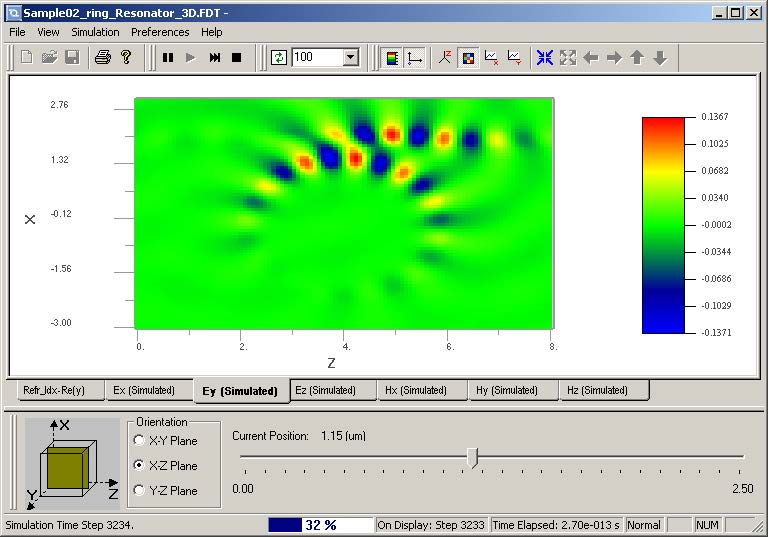
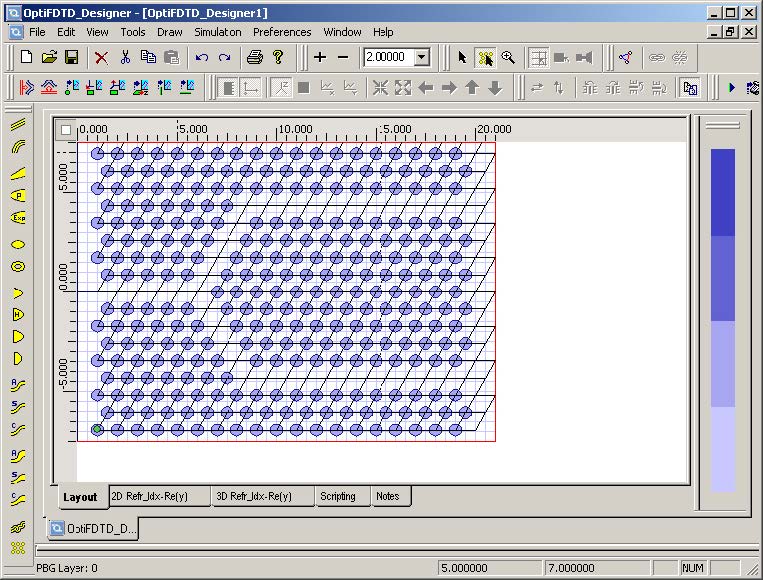
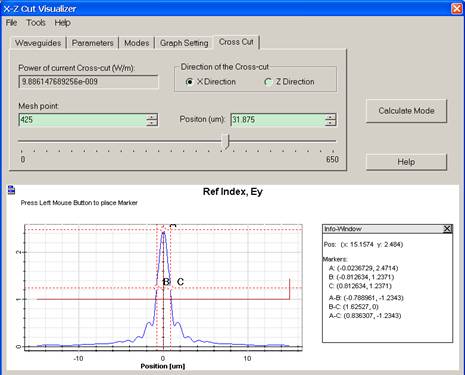
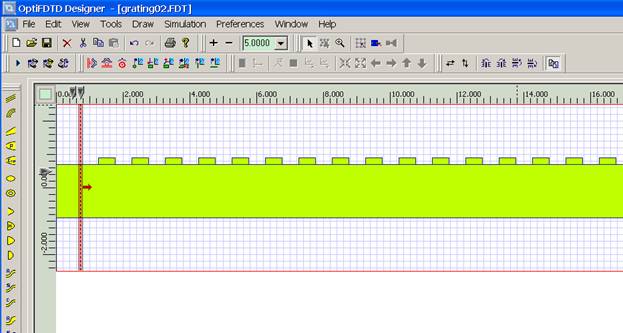
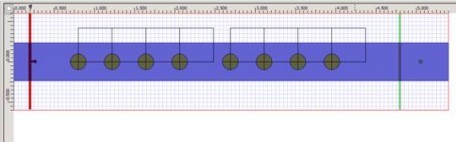
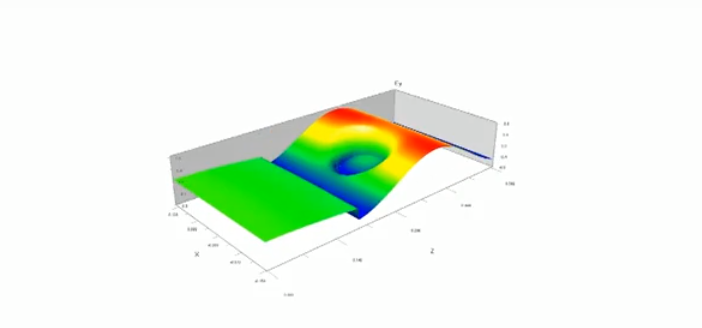
OptiFDTD enables you to design, analyze and test modern passive and nonlinear photonic components for wave propagation, scattering, reflection, diffraction, polarization and nonlinear phenomena. The core program of OptiFDTD is based on the Finite-Difference Time-Domain (FDTD) algorithm with second-order numerical accuracy and the most advanced boundary conditions – Uniaxial Perfectly Matched Layer (UPML).

The algorithm solves both electric and magnetic fields in temporal and spatial domain using the full-vector differential form of Maxwell’s coupled curl equations. This allows for arbitrary model geometries and places no restriction on the material properties of the devices.

Applications

  • Surface Plasmon Resonance (SPR)
  • Photonic band gap materials and devices
  • Nano-particles, and tissue cells
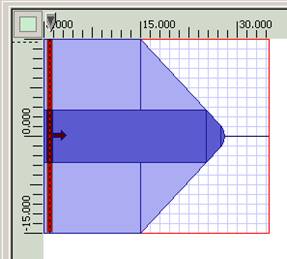
  • Diffractive micro-optics elements and lenses
  • Complex integrated optics structures
  • Nonlinear materials, dispersive materials
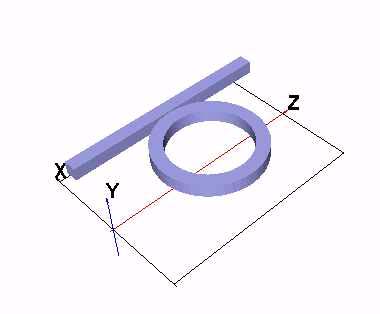
  • Optical micro-ring filters and resonators
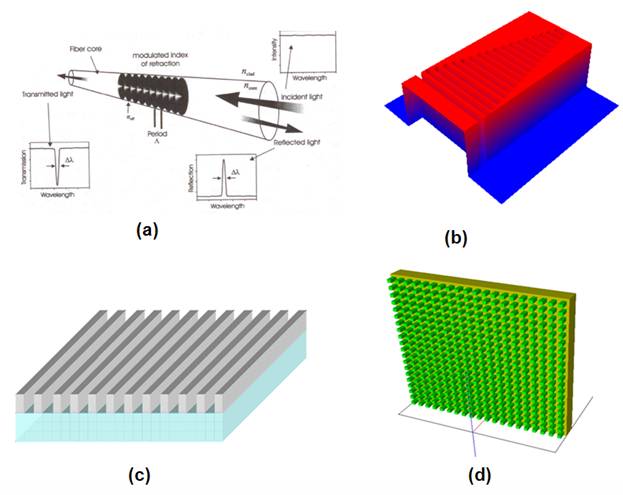
  • Grating based waveguide structures
  • Electromagnetic phenomena


Interface with Popular DesignTools
  • Code V
  • Zemax

Feel free to browse our FDTD gallery (click to enlarge):
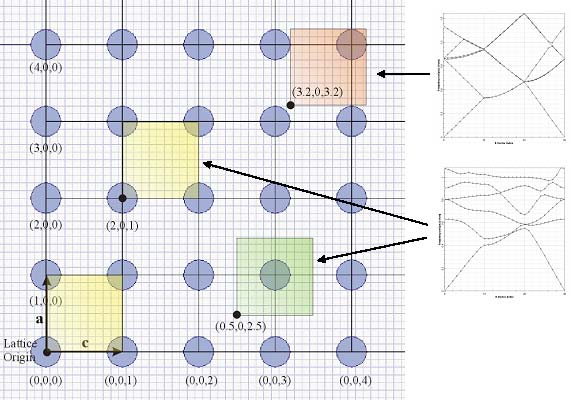
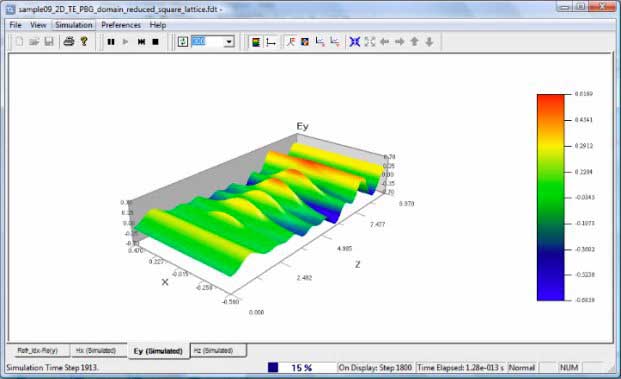
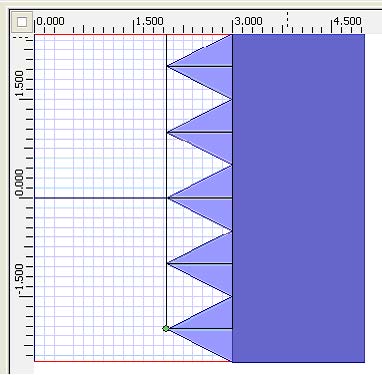
     FDTD - Figure 3 Inversion Symmetry and Domain Origin FDTD - 3D Wave propagation

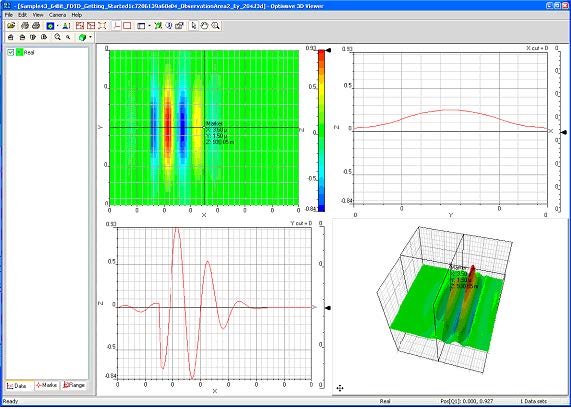
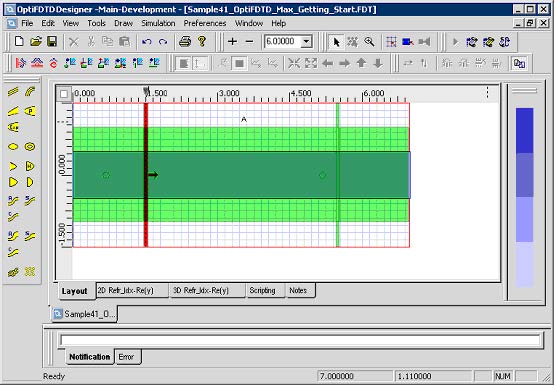
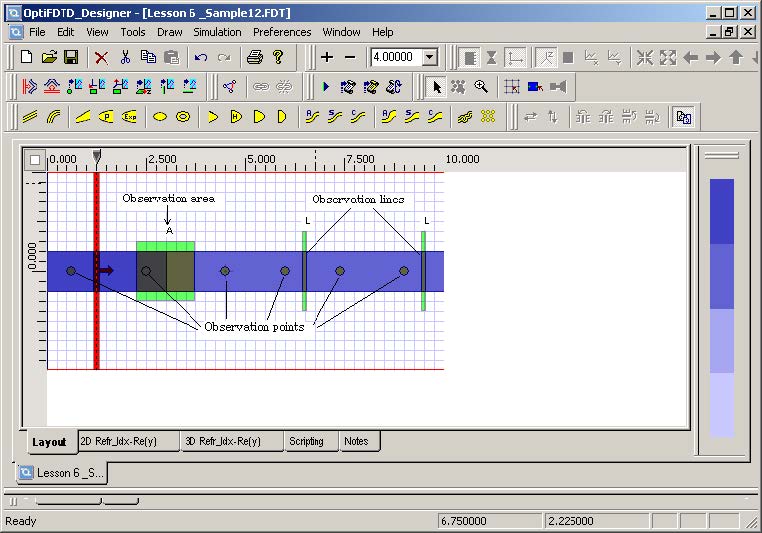
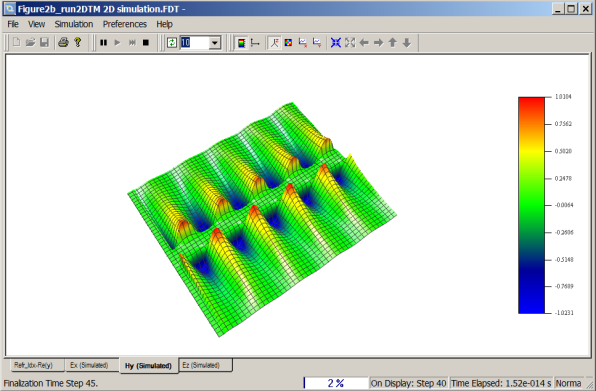
FDTD - Figure 8 The time domain snapshot observed in 3D Viewer from observation area 2FDTD - Figure 5 Layout

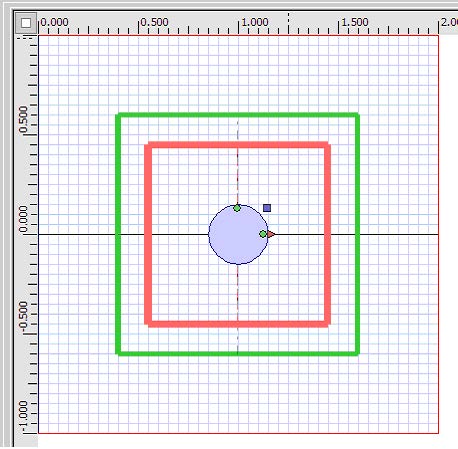
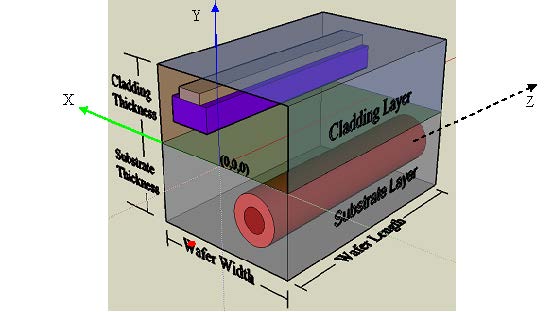
FDTD - Figure 16 Elliptic waveguide in the TFSF regionFDTD - Figure 2 Layout in OptiFDTD

FDTD - Figure 10 Observation components of projectFDTD - Selected Grating layout

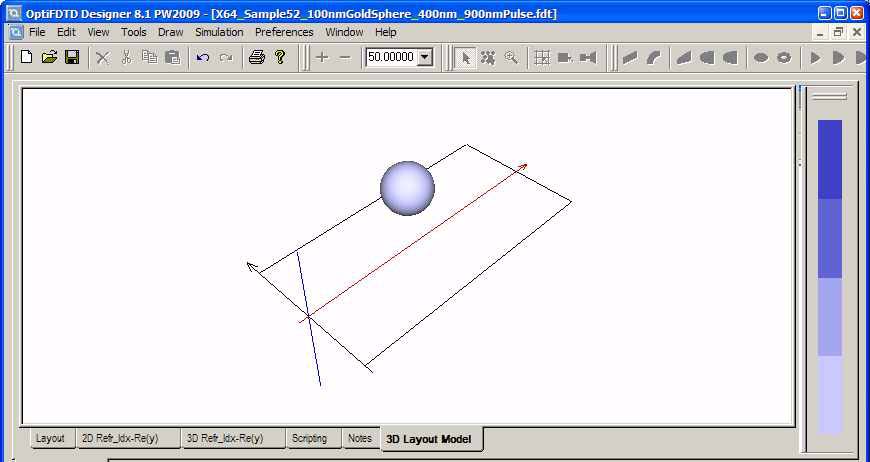
FDTD - Figure 2 Example LayoutFDTD - Figure 1 3D layout mode for sphere

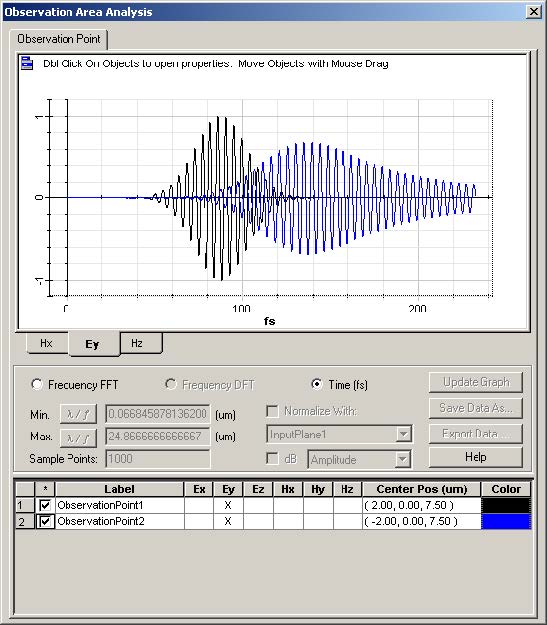
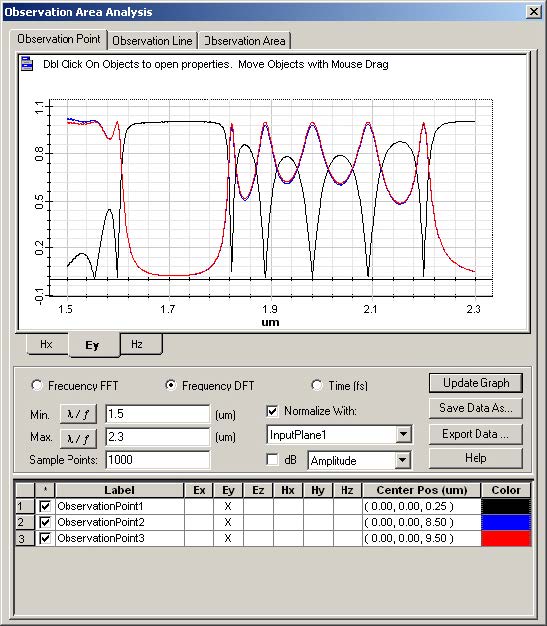
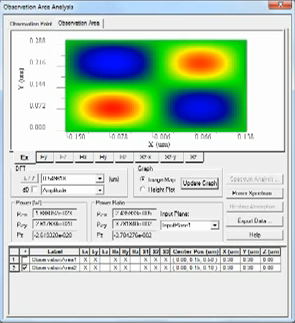
  FDTD - Observation Area Analysis dialog box FDTD - Figure 106 Observation Area Analysis dialog box

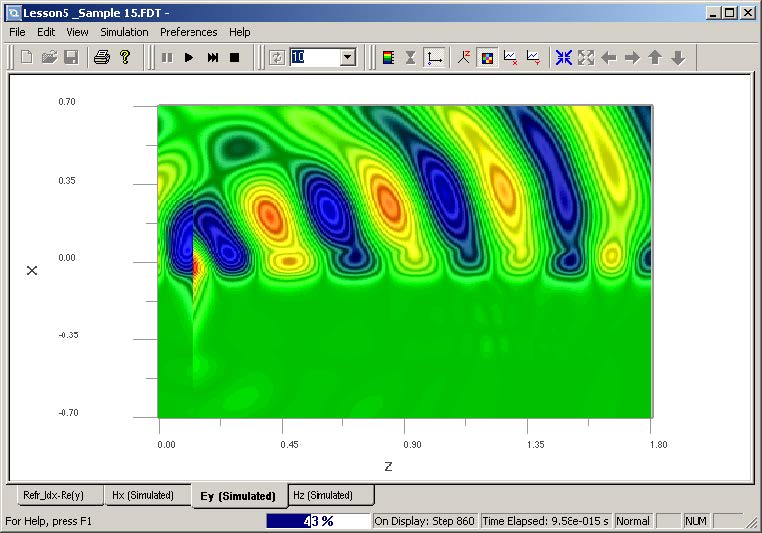
FDTD - Figure 5 OptiFDTD_Simulator FDTD - Figure 40 3D Simulation results

FDTD - Figure 95 PBG layout with new wavepath FDTD - Figure 18 3D Layout

FDTD - Beam size measurement in OptiFDTD(b)

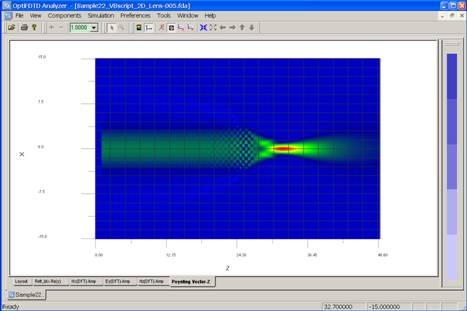
FDTD - Poynting vector for Fiber lens  FDTD - Surface wave propagation model

FDTD - Power transmission ratios and normalised powersFDTD - Near field in slice viewer

FDTD - Photonic Crystal Layout FDTD - Diffraction Grating 3D Layouts

Layout in OptiFDTD  Directional grating Coupled waveguide in OptiFDTD

Layout in OptiFDTD  FDTD - Nanoparticle plane wave and the nanoparticle intensity

Related:

Pubg Mobile Bgmi Esp Hei Ke Here

ESP stands for Extra Sensory Perception—a fitting name for a type of cheat that grants players abilities far beyond normal human perception. In the context of PUBG Mobile and BGMI, ESP hacks are third-party tools that reveal hidden game data, providing cheaters with critical information they shouldn’t have access to.

Cheat files are distributed through unverified, shady forums or file-sharing links. These modified files often contain trojans designed to steal your passwords, banking information, or personal gallery photos.

The penalties escalate quickly:

This article is for educational and warning purposes only. The author and platform do not endorse any form of cheating or unauthorized software modification.

Anti-cheat teams are fighting back with hardware fingerprinting, AI behavior analysis to detect unnatural play patterns, and legal action against hardware manufacturers and distributors. PUBG Mobile BGMI ESP hei ke

In the context of and PUBG Mobile0;bb0;0;93c; , ESP (Extra Sensory Perception) refers to a type of cheating software designed to provide players with "X-ray vision" and other unfair advantages 0;17;.

While ESP tools can provide a significant advantage in PUBG Mobile and BGMI, they come with risks, including account bans and potential security threats. Players should weigh these risks against the benefits and consider whether the use of ESP tools aligns with their gaming values and goals. For those who choose to use ESP, doing so responsibly and safely is paramount. ESP stands for Extra Sensory Perception—a fitting name

An illegal software modification that intercepts game data to display hidden information on the player's screen.